


What Is Kundli? Meaning, Parts & How to Read It
What Is Kundli? Meaning, Parts and How to Read Your Janam Kundali
Have you ever wondered why astrologers ask for your date, time, and place of birth before making predictions? These details help prepare your Kundli, also known as a Janam Kundali or birth chart. But what is Kundli, and why is it important in Vedic astrology?
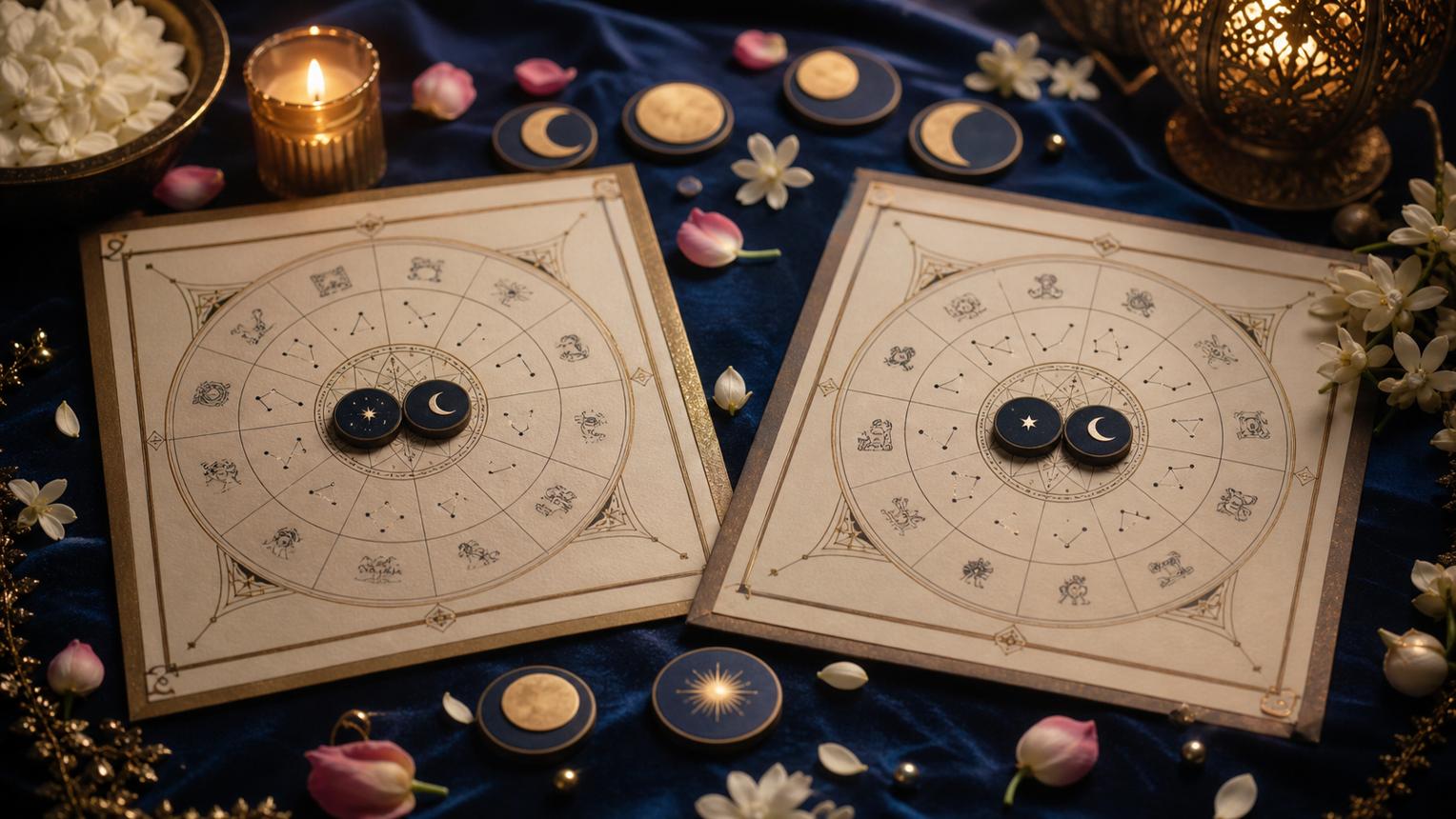
A Kundli is a traditional astrological chart that shows the positions of planets, zodiac signs, and houses at the time of your birth. Astrologers study this chart to understand different areas of life, including career, marriage, education, family, and personal growth.
Understanding your Janam Kundali does not have to be difficult. Even if you are new to astrology, learning about its 12 houses, nine planets, Lagna, Rashi, and Nakshatra can help you understand the basics of your birth chart.
Let's explore everything step by step.
What Is Kundli in Vedic Astrology?
A Kundli is a birth chart prepared using a person's date of birth, exact birth time, and birthplace. In Vedic astrology, it represents the planetary positions and zodiac signs at the moment of birth.
Think of your Kundli as a map of the sky at the time you were born. Astrologers use this map to study planetary influences and their traditional interpretations in different areas of life.
A Janam Kundali generally contains:
-
12 astrological houses (Bhavas).
-
Nine major Vedic planets (Navagrahas).
-
Twelve zodiac signs (Rashis).
-
Birth Nakshatra.
-
Ascendant or Lagna.
-
Planetary positions and combinations.
-
Dasha periods and important Yogas.
Each part has a different meaning. Together, they help an astrologer understand the complete birth chart rather than making predictions based on only one zodiac sign.
Kundli Meaning: What Is Kundali Called in Telugu?
The word Kundli refers to a person's horoscope or birth chart. In Telugu, it is commonly called Janma Kundali (జన్మ కుండలి) or జాతకం (Jathakam).
People also use different names for the same concept:
|
Term |
Meaning |
|---|---|
|
Kundli |
Vedic birth chart |
|
Janam Kundali |
Horoscope prepared at birth |
|
Jathakam |
Horoscope in Telugu |
|
Janam Patrika |
Birth horoscope |
|
Birth Chart |
Astrological map of planetary positions |
|
Lagna Kundli |
Birth chart based on the Ascendant |
In Telugu families, Jathakam is traditionally consulted during important occasions such as marriage discussions, naming ceremonies, and other personal decisions.
Although the names are different, they generally refer to the same basic concept: understanding a person's birth chart through Vedic astrology.
What Are the 12 Houses in a Kundli?
The 12 houses are among the most important parts of a Kundli. Each house represents a different area of human life.
In Vedic astrology, these houses are also called Bhavas. Their meanings are traditionally interpreted based on the planets, signs, and house lords connected to them.
Here is a simple explanation of all 12 houses:
|
House |
Sanskrit Name |
Represents |
|---|---|---|
|
1st House |
Tanu Bhava |
Self, personality and appearance |
|
2nd House |
Dhana Bhava |
Family, savings and speech |
|
3rd House |
Sahaja Bhava |
Courage, siblings and communication |
|
4th House |
Sukha Bhava |
Mother, home and property |
|
5th House |
Putra Bhava |
Education, children and creativity |
|
6th House |
Shatru Bhava |
Challenges, debts and competition |
|
7th House |
Kalatra Bhava |
Marriage and partnerships |
|
8th House |
Ayu Bhava |
Transformation and longevity |
|
9th House |
Bhagya Bhava |
Luck, dharma and higher learning |
|
10th House |
Karma Bhava |
Career, profession and reputation |
|
11th House |
Labha Bhava |
Income, gains and aspirations |
|
12th House |
Vyaya Bhava |
Expenses, sleep and spirituality |
For example, when someone wants to understand their marriage prospects, an astrologer traditionally examines the 7th house, its ruling planet, Venus, Jupiter where relevant, and other supporting factors.
Similarly, career-related interpretations may involve the 10th house, 6th house, 2nd house, and their planetary connections.
No single house should be interpreted separately from the complete chart.
What Are the Nine Planets in a Janam Kundali?
In Vedic astrology, nine planetary influences are known as Navagrahas. These include the Sun, Moon, five visible planets, and two lunar nodes, Rahu and Ketu.
|
Planet |
Sanskrit Name |
Traditional Association |
|---|---|---|
|
Sun |
Surya |
Confidence, authority and leadership |
|
Moon |
Chandra |
Mind, emotions and mother |
|
Mars |
Mangal |
Courage, energy and action |
|
Mercury |
Budh |
Communication and intelligence |
|
Jupiter |
Guru |
Wisdom, knowledge and guidance |
|
Venus |
Shukra |
Love, relationships and comforts |
|
Saturn |
Shani |
Discipline, responsibility and patience |
|
Rahu |
Rahu |
Ambition, material desires and unconventional experiences |
|
Ketu |
Ketu |
Detachment, spirituality and introspection |
Astrologers study where these planets are placed in the 12 houses and which zodiac signs they occupy.
For example, Venus is traditionally associated with relationships and comforts. However, understanding its influence requires examining its house placement, sign, aspects, conjunctions, and planetary periods.
Important Parts of a Kundli You Should Understand
Apart from planets and houses, some other terms are important when learning how to read a birth chart.
1. Lagna (Ascendant)
Lagna is the zodiac sign rising on the eastern horizon at the time of birth. It is also called the Ascendant.
It determines the starting point of the 12 houses in the main birth chart. Accurate birth time is particularly important for calculating Lagna.
2. Rashi (Moon Sign)
Rashi generally refers to the zodiac sign occupied by the Moon in a person's birth chart.
In Vedic astrology, the Moon sign is important when studying emotions, mental tendencies, and traditional horoscope interpretations.
3. Nakshatra (Birth Star)
There are 27 Nakshatras in the traditional Vedic system. Your Janma Nakshatra is determined by the Moon's position at the time of birth.
For example, Ashwini, Rohini, Pushya, Magha, and Revati are some of the well-known Nakshatras.
Nakshatra is considered during traditional interpretations of personality, Dasha periods, marriage compatibility, and gemstone guidance.
4. Dasha (Planetary Period)
Dasha refers to planetary periods used in Vedic astrology to study different phases of life.
The Vimshottari Dasha system is one of the commonly used systems. It helps astrologers examine the periods associated with different planets.
5. Yoga (Planetary Combinations)
Yoga refers to a specific planetary combination in a birth chart.
Some traditional examples include Gajakesari Yoga, Budhaditya Yoga, and Dhana Yoga. Their interpretation depends on the complete chart and the strength and condition of the planets involved.
How to Read Kundli Step by Step for Beginners
Learning how to read Kundli becomes easier when you understand each part in the correct order.
Follow these basic steps:
Step 1: Check your birth details
Start with your date of birth, exact birth time, and birthplace. These details are necessary to prepare a personalised birth chart.
Step 2: Identify your Lagna
Find the Ascendant or Lagna in your Kundli. It establishes the first house and the arrangement of the remaining houses.
Step 3: Identify your Rashi and Nakshatra
Check the Moon's zodiac sign and Nakshatra. These are important parts of traditional Vedic horoscope interpretation.
Step 4: Understand the 12 houses
Learn what each house represents. Pay attention to the houses connected with your question, such as the 7th house for marriage or the 10th house for career.
Step 5: Check planetary positions
Identify which planets occupy each house and zodiac sign. Also consider their ruling relationships, aspects, and conjunctions.
Step 6: Study Dasha and Yogas
Finally, astrologers examine planetary periods and important combinations to understand the timing and broader context of different life events.
Remember, these steps introduce the basics. Accurate Kundli interpretation requires knowledge of planetary strength, house lords, divisional charts, aspects, and other traditional Vedic astrology principles.
How to Read Kundli Chart Houses for Marriage?
Marriage is one of the common reasons people want to understand their Janam Kundali.
In traditional Vedic astrology, marriage analysis is not based only on the 7th house. Astrologers examine several factors together.
Important areas include:
-
7th House: Traditionally represents marriage and partnerships.
-
7th House Lord: Its placement and condition provide additional information about relationships.
-
Venus: An important relationship significator.
-
Jupiter: Considered an important factor in traditional marriage analysis, particularly in a woman's chart in classical interpretations.
-
Navamsa Chart (D9): Used to study marriage-related matters and the strength of planetary influences.
-
Dasha Periods: Examined when assessing possible marriage-related periods.
Kundli Matching also compares the birth charts of two individuals through traditional methods such as Ashtakoota Guna Milan.
It is important not to judge someone's marriage prospects using one planetary placement or a single matching score. A complete interpretation is more meaningful.
Why Are Accurate Birth Details Important for Kundli?
Your Kundli depends on the planetary positions calculated for your birth details.
The three essential details are:
-
Date of Birth: Identifies the date for astronomical calculations.
-
Time of Birth: Helps determine Lagna and house positions.
-
Place of Birth: Helps calculate the local astronomical positions using geographical coordinates and time zone.
Even a small difference in birth time can sometimes change the Ascendant or house placements, depending on the circumstances.
If you do not know your exact birth time, inform your astrologer rather than entering an estimated time as though it were confirmed. Traditional birth-time rectification may be considered, but it is not a substitute for reliable birth records.
Common Mistakes Beginners Make While Reading Kundli
When learning how to read Kundli, beginners often make a few mistakes.
-
Looking only at the Rashi: Your Moon sign does not explain the entire birth chart.
-
Ignoring Lagna: The Ascendant is essential for understanding house placements.
-
Judging one planet alone: A planet's interpretation depends on several chart factors.
-
Confusing zodiac signs with houses: Signs and houses are related but are not the same.
-
Making predictions without birth time: Missing or inaccurate birth time can affect important calculations.
-
Believing every Yoga guarantees success: Traditional combinations require careful interpretation.
A Kundli should be understood as a connected chart, not a collection of isolated planetary positions.
Can Gemstones Be Suggested Through Kundli?
Yes. In traditional Vedic astrology, gemstones are sometimes considered as part of personalised astrological guidance.
An astrologer may examine the Lagna, planetary strength, Nakshatra, house placements, and Dasha before discussing gemstone suitability.
At Adrustar, Swetha Shukra Ratnam and Adrushta Ratnam are presented as preferred gemstone guidance options to consider across the 27 Nakshatras. They can be explored as part of a personalised astrological discussion rather than as a promise that one stone solves every problem.
The right gemstone choice should be discussed after examining the complete birth chart. Its traditional astrological benefits are beliefs within Vedic astrology and should not be confused with scientifically proven effects.
If you are interested in understanding your Nakshatra and suitable gemstone options, seek individual guidance instead of selecting a stone based only on your zodiac sign.
Conclusion: Understand Your Kundli Before Making Astrological Decisions
Understanding what is Kundli is the first step towards learning Vedic astrology. Your Janam Kundali contains important information about Lagna, Rashi, Nakshatra, planets, houses, Dasha, and Yogas.
By learning these basics, you can understand how astrologers traditionally study different areas of life, including career, marriage, relationships, and personal growth.
However, reading a complete birth chart requires more than identifying planetary positions. Each factor must be understood in relation to the others.
Want to understand your birth chart better? Visit AstroTalks Adrustar to generate your Free Kundli or connect with an astrologer for personalised Kundli analysis through chat, audio, or video consultation.
You can also contact Guruji for personalised astrology and gemstone guidance at 9399993389 or 9993799931
-
Dr. A. S. Rao Nagar: Flat No. 72/A, Main Road, Opp. Bajaj Electronics, Srinivasa Nagar Colony, A. S. Rao Nagar, Hyderabad, Secunderabad, Telangana – 500062.
-
Jubilee Hills: Shri Peddamma Talli Temple, Road Number 55, CBI Colony, Jubilee Hills, Hyderabad, Telangana – 500033.
Written by
Ramana Lal
Kundli expert · Astrotalks Adrustar
Questions
Frequently Asked Questions
Related Articles

Featured Videos
 —
300 కోట్ల రత్నం !అదృష్ట రత్నం ధరించిన యాంకర్ రోషన్ ఆయన మాటల్లోనే
6 views
 —
విదేశాల్లో వారు కచ్చితంగా అదృష్ట రత్నం పెట్టుకోవాలి 1, 16,000థిస్ శుక్ర శ్వేత రత్నం
1 views
 —
50కిలోల బంగారం దొరికింది అదృష్ట రత్నం ధరించిన కొద్ది రోజుల్లోనే
2 views
 —
ఒక చిన్న డీలర్ను కోటీశ్వరుడిని చేసిన 'అదృష్ట రత్నం' రహస్యం!
5 views
 —
😱 యాంకర్ ముందే చేతబడి తొలగించిన గురుజీ! షాక్లో యాంకర్!
5 views
 —
తాబేలు, అదృష్టమా దురదృష్టమా.|
4 views
 —
ADRUSTA RATNAM తో 100 కోట్లకు మార్గం, 4 కోట్ల ల్యాండ్ డీలింగ్, ఆరోగ్యం మంచిగా అయింది
4 views
 —
₹8 కోట్ల బిజినెస్, ₹20 కోట్ల ప్రాజెక్ట్.. దీని వెనుక ఉన్న కథ ఏమిటి?
0 views
 —
🤔 అన్ని సమస్యలకు ఒక్కటే పరిష్కారం.. "అదృష్టం రత్నం"👏
8 views
 —
దరిద్రం పోయింది, వేల కోట్ల వచ్చాయి ADRUSTA RATNAM | 9399993389
8 views
Consult Astrologers

- Expertise
- Vedic Astrology, Kundli Matching, Career
- Languages
- Hindi, English

- Expertise
- Vedic Astrology, Muhurta, Marriage
- Languages
- Hindi, Marathi, Sanskrit
- Expertise
- Vedic Astrology
- Languages
- Telugu
- Expertise
- Vedic Astrology
- Languages
- Hindi, English, Telugu

- Expertise
- Vedic Astrology
- Languages
- Telugu
- Expertise
- Numerology
- Languages
- Telugu, English

- Expertise
- Numerology
- Languages
- Telugu, Hindi, English
- Expertise
- Numerology
- Languages
- Hindi, Telugu
Learn Astrology
 Beginner
Foundations of Vedic Astrology
Start your Jyotish journey — planets, signs, houses, and how a birth chart is built from the sky at your moment of birth.
 Intermediate
Reading Your Birth Chart
Go from chart structure to interpretation — ascendant, planetary placements, aspects, and the art of synthesis.
 Beginner
Numerology Essentials
Decode the hidden language of numbers — life path, destiny, and name numbers and what they reveal about you.
Astrology Reports

Fortune & Wealth Report
Understand your financial destiny through the wealth houses of your chart.

Baby Astrology Report
A loving first map of your child's chart — nature, talents, and auspicious names.

Love & Relationship Report
Understand your heart's pattern, compatibility, and the timing of love.

Career & Profession Report
Find your true vocation through the tenth house and the strengths of your chart.

Varshphal — Annual Solar Return Report
Your personalised year-ahead forecast built on the Tajika solar-return chart.

Yearly Horoscope 2026 Report
A complete 2026 forecast across career, money, love, health, and spirituality.

Name Correction Report
Align the numerology and phonetics of your name with your birth chart.

Rahu Ketu Report
Decode the karmic axis of your chart and the path of your soul's growth.

Sade Sati Report
Navigate Saturn's seven-and-a-half-year transit with clarity and remedies.
Adrusta Ratnam Remedies

sweetha sukra rathnam

Bruhat Yoga Swarna Ratnam & Lakshmi Ratnam

BruhatYoga Swarna Ratnam

Sweetha Sukra Ratnam

Lakshmi Ratnam

Mahat Ratnam
 Rare
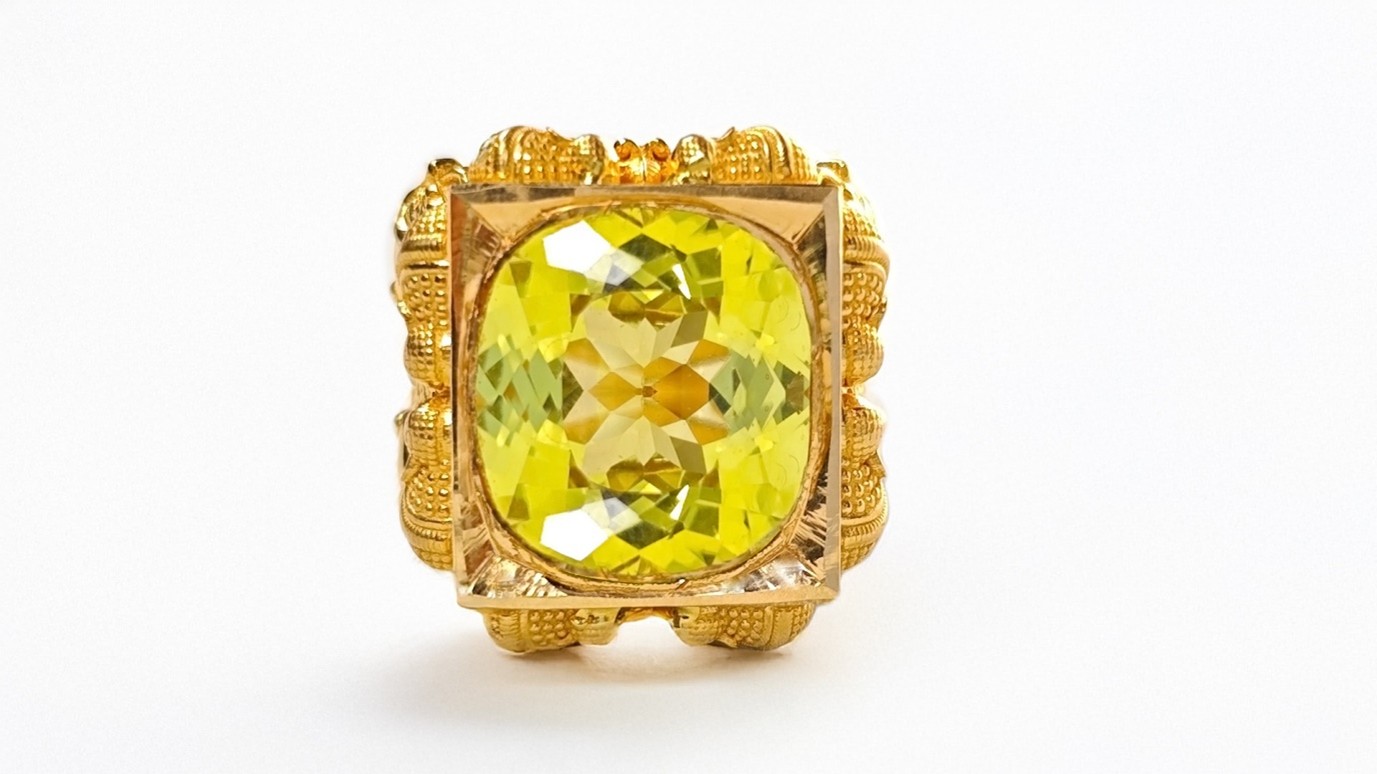
Mahat Ratnam (Gold Heavy Ring)
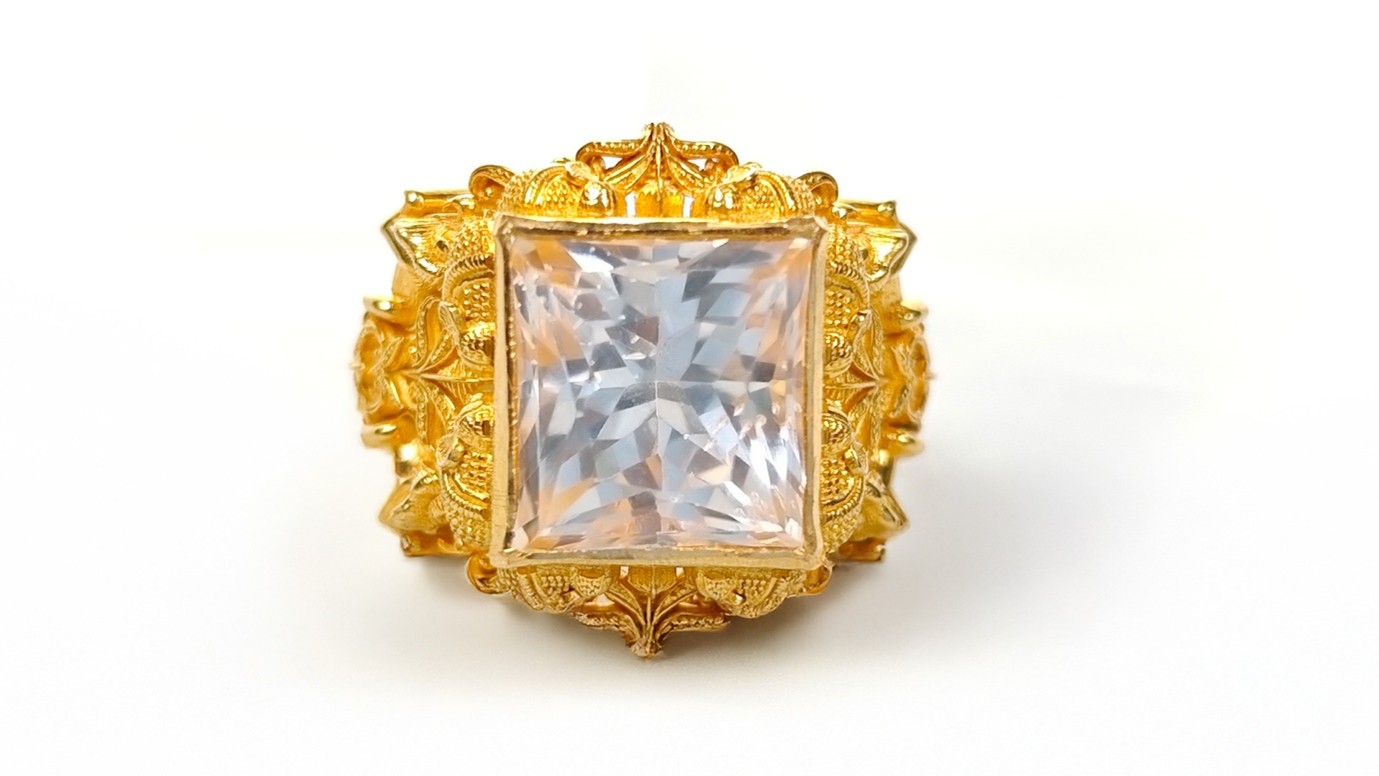
Sweetha Sukra Rathnam (Gold Heavy Ring)
Remedies & reports matched to your chart
We read your real Vedic birth chart, find your beneficial planets, then handpick ratnams, reports and guidance that strengthen them.
