

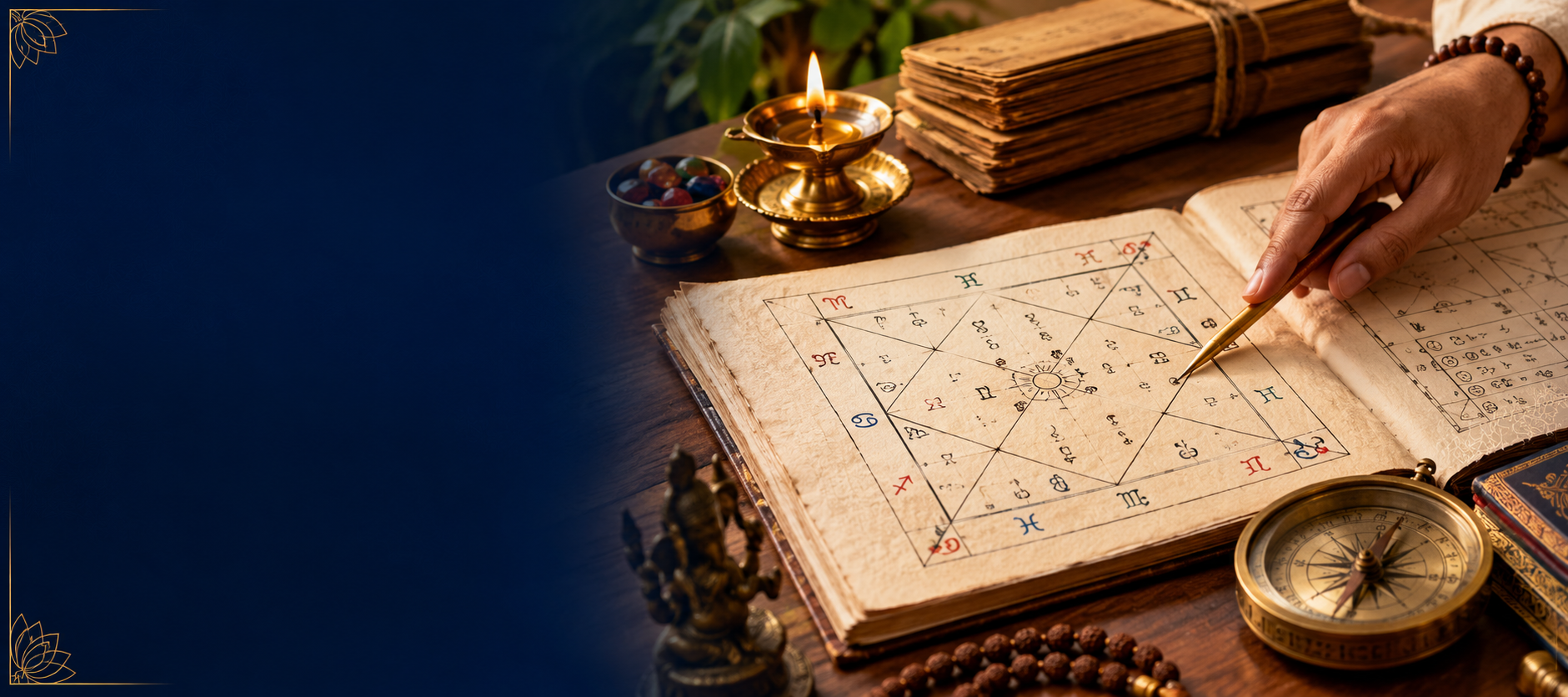
How to Read Kundli: Lagna, Rashi & Houses Explained
How to Read Kundli: Lagna, Rashi and Houses Explained for Beginners
Your Janam Kundli is more than a traditional horoscope. In Vedic astrology, it is a birth chart that represents the positions of celestial bodies at the time and place of your birth. Learning how to read Kundli helps you understand the traditional meanings of your Lagna, Rashi, planetary positions and the 12 houses.
If you are new to astrology, you do not need to understand everything at once. Start with your Lagna, identify your Rashi, learn the meaning of each house and then explore the planets placed within them. This step-by-step guide will help you understand your birth chart and recognise when an experienced astrologer can offer deeper interpretation.
What Is a Janam Kundli and How Do You Read It?
A Janam Kundli, also called Janam Patrika or a birth chart, is prepared using your date of birth, birth time and birthplace. Traditional Vedic astrology interprets this chart through zodiac signs, houses, planetary positions and their relationships.
When learning how to read a Kundli, remember that each part has a different purpose. Lagna represents the starting point of the house chart, Rashi commonly refers to your Moon sign, and the houses represent different areas of life.
For example, imagine someone who wants to understand their career prospects. Instead of looking at just one planet, an astrologer may examine the 10th house, its ruling planet, relevant planetary aspects and other supporting factors.
You can begin by generating your birth chart through the [Free Kundli tool or guide on AstroTalks Adrustar] (link to the published Free Kundli page).
What Do You Need Before Reading Your Kundli?
Date of Birth, Exact Birth Time and Birthplace
These three details are important for preparing a traditional birth chart. Your birth time helps determine the Ascendant and house positions, while your birthplace helps establish the relevant local astronomical calculations.
If your birth time is uncertain, some parts of the chart may require additional verification. Avoid making firm conclusions about your Lagna or houses using incomplete information.
How to Generate Your Janam Kundli Online
To begin, use a reliable online Kundli calculator and enter your birth details carefully. Once the chart is generated, identify the Ascendant, zodiac signs, house numbers and planetary symbols.
Do not worry if the chart looks complicated at first. Understanding a few basic symbols is enough to start learning.
Lagna Meaning in Kundli: How to Find Your Ascendant
What Is Lagna in Vedic Astrology?
Lagna, also called the Ascendant, is the zodiac sign rising on the eastern horizon at the time of birth. In traditional Vedic astrology, it provides the starting point for interpreting the 12 houses.
The Lagna is important because it helps determine which zodiac sign rules each house in the birth chart. It is traditionally associated with personality, physical appearance, self-expression and the way a person approaches life.
For example, a person with Mesha (Aries) Lagna and another with Kanya (Virgo) Lagna will have different house-sign arrangements. Their charts must therefore be interpreted according to their individual planetary placements.
How to Identify Lagna in Your Birth Chart
Look for the Ascendant marker, often shown as Lagna, Asc or a chart-specific abbreviation. In many North Indian Kundli formats, the first house is fixed in position, while zodiac signs are indicated by numbers.
In South Indian chart formats, the zodiac signs usually remain in fixed positions. The Ascendant is marked within the relevant sign.
Because chart formats differ, check the legend provided by your Kundli calculator before interpreting the numbers.
Lagna vs Rashi: What Is the Difference?
Lagna and Rashi are related but not interchangeable.
-
Lagna: The Ascendant calculated from the birth time and location.
-
Rashi: In common Indian astrological usage, the Moon sign.
-
Sun sign: The zodiac sign occupied by the Sun, often used in Western astrology and also considered in Vedic interpretations.
Your Lagna and Rashi can be different. For example, someone may have Vrishabha (Taurus) Lagna and Karka (Cancer) Rashi. Each has its own traditional significance.
What Is Rashi in Kundli?
Meaning of Rashi in Vedic Astrology
Rashi refers to a zodiac sign. When someone in India asks, “What is your Rashi?”, they are generally asking about the zodiac sign occupied by the Moon at birth.
In Vedic astrology, the Moon is traditionally associated with the mind, feelings, emotional responses and everyday experiences. Your Rashi is therefore one of the key starting points for understanding your Janam Kundli.
How to Find Your Rashi in a Janam Kundli
After generating your chart, identify the Moon symbol, often written as Chandra or shown as a crescent. Check which zodiac sign the Moon occupies.
If the chart is difficult to interpret, an online Kundli report or a qualified astrologer can help you identify your Rashi and Nakshatra.
Why Lagna and Rashi Can Be Different
Lagna and Rashi are calculated using different astronomical positions. The Ascendant depends on the eastern horizon at the time and place of birth, while the Moon sign depends on the Moon's zodiac position.
Understanding this distinction prevents a common beginner's mistake: assuming that the Moon sign alone explains the entire birth chart.
How to Understand the 12 Houses in Kundli
The 12 houses, also known as Bhavas, represent different areas of life in traditional Vedic astrology. Their interpretation depends on the zodiac sign in each house, the ruling planet, planets occupying the house and other chart factors.
The Meaning of All 12 Houses in Kundli
| House | Traditional association |
|---|---|
| 1st house | Self, personality and physical appearance |
| 2nd house | Family, speech and accumulated wealth |
| 3rd house | Communication, siblings and courage |
| 4th house | Home, mother and emotional foundations |
| 5th house | Creativity, education and children |
| 6th house | Daily work, service, debts and challenges |
| 7th house | Marriage, partnerships and public relationships |
| 8th house | Transformation, shared resources and hidden matters |
| 9th house | Higher learning, beliefs and long-distance journeys |
| 10th house | Career, responsibilities and public reputation |
| 11th house | Goals, gains, friends and networks |
| 12th house | Expenses, solitude, foreign connections and spiritual retreat |
For instance, someone interested in marriage may explore the 7th house, its lord, Venus and other relevant chart factors. Someone asking about career may examine the 10th house alongside the 2nd, 6th and 11th houses where appropriate.
No single house should be interpreted in isolation.
How to Read Planetary Houses in Your Kundli
Planetary houses describe where planets are placed within the chart. In Vedic astrology, the meaning of a placement is interpreted through the planet's nature, the house it occupies, the sign it is in and its relationship with other chart factors.
What Do the 9 Planets Mean in Kundli?
The Navagraha are traditionally interpreted as follows:
-
Surya (Sun): Identity, authority and confidence.
-
Chandra (Moon): Mind, emotions and inner responses.
-
Mangal (Mars): Energy, courage and initiative.
-
Budh (Mercury): Communication, learning and reasoning.
-
Guru (Jupiter): Knowledge, growth and guidance.
-
Shukra (Venus): Relationships, beauty and comforts.
-
Shani (Saturn): Discipline, responsibility and patience.
-
Rahu: Ambition, worldly desires and unconventional experiences.
-
Ketu: Detachment, introspection and spiritual interests.
These are traditional astrological associations, not fixed descriptions of every person's life.
How the House Lord Influences Interpretation
Each house has a ruling planet based on the zodiac sign occupying it. This planet is called the house lord. An astrologer examines its placement, strength and relationships with other planets to interpret the house more fully.
Planetary aspects and conjunctions also matter. Two people may have the same planet in the same house but different overall charts, leading to different traditional interpretations.
How to Read Kundli Step by Step for Beginners
If you want to learn how to read Kundli without becoming overwhelmed, follow this simple sequence.
-
Identify your Lagna: Find the Ascendant and determine the first house.
-
Find your Rashi: Locate the Moon and identify its zodiac sign.
-
Understand the 12 houses: Learn what each house traditionally represents.
-
Locate the planets: Note which planets occupy each house and sign.
-
Check house lords and aspects: Understand how the ruling planets and planetary relationships influence interpretation.
-
Read the complete chart: Consider the combined pattern instead of drawing conclusions from one placement.
With practice, you will begin to recognise the chart's structure. Detailed interpretation, however, requires a broader understanding of planetary strength, Nakshatras, Yogas, Doshas and planetary periods such as Mahadasha and Antardasha.
Example of How to Read a Kundli
Imagine a hypothetical person whose birth chart has Gemini Lagna and Jupiter in the 10th house.
A beginner might note that the first house relates to the self and that the 10th house is traditionally associated with career, responsibilities and public reputation. Jupiter is associated with knowledge, guidance and growth in Vedic astrology.
However, this alone does not guarantee career success or a particular profession. An astrologer would also examine the 10th house lord, Jupiter's sign and strength, relevant aspects and the rest of the birth chart.
This example demonstrates an important principle: a meaningful Kundli reading considers the complete chart rather than making predictions from a single planetary placement.
What Can You Learn by Reading Your Janam Kundli?
Traditional Kundli interpretation can help people explore several areas of life.
Career and education: The 10th house, 6th house, 2nd house and 11th house may be considered when examining work, responsibilities, earnings and goals.
Marriage and relationships: The 7th house, Venus, Jupiter and other relevant factors may be considered when exploring relationship themes and compatibility.
Finances and personal goals: Astrologers may examine the 2nd and 11th houses, their lords and supporting planetary influences.
Personal growth and spirituality: The 5th, 9th and 12th houses, along with relevant planetary placements, may be considered when discussing learning, beliefs and spiritual interests.
Astrology is a traditional interpretive practice. Use it as a cultural or reflective perspective rather than a substitute for professional financial, medical, legal or relationship advice.
Can Gemstones Be Recommended After Kundli Reading?
In traditional Vedic astrology, gemstone recommendations may be made after examining a person's birth chart and the astrologer's chosen interpretive approach. A gemstone should not be selected only because it is associated with a zodiac sign or because someone promises guaranteed results.
For those interested in gemstone guidance, Guru Ji Ramana Yogi Lal can be consulted about whether Swetha Shukra Ratnam or Adrushta Ratnam may be suitable for their individual circumstances. These gemstones are presented within the Ratnalayam tradition as options that may be considered across different Nakshatras, but personal suitability should be assessed rather than assumed.
Choose a gemstone based on informed guidance, verified authenticity and your own preferences. No gemstone can guarantee marriage, wealth, career advancement or the resolution of every problem.
Common Mistakes to Avoid When Reading Kundli
Beginners often make a few simple mistakes when interpreting a birth chart.
-
Confusing Lagna with Rashi.
-
Ignoring the accuracy of birth details.
-
Assuming that one planet determines an entire life outcome.
-
Reading house meanings without checking their ruling planets.
-
Treating every online prediction as a certainty.
-
Choosing gemstones or remedies based on fear or exaggerated promises.
A patient, step-by-step approach makes learning Kundli reading easier and helps you ask better questions when consulting an astrologer.
Consult an Astrologer for a Personal Kundli Reading
Learning how to read Kundli is a useful first step toward understanding traditional Vedic astrology. However, every birth chart has its own combination of Lagna, Rashi, houses, planetary positions and aspects.
If you need help interpreting your birth chart, understanding relationship or career-related astrological questions, or exploring traditional gemstone recommendations, you can connect with an astrologer through AstroTalks Adrustar.
For personalised gemstone guidance, you may also contact Guru Ji Ramana Yogi Lal to discuss Swetha Shukra Ratnam or Adrushta Ratnam and whether either is appropriate for your needs.
Call Guruji: 9399993389 / 9993799931
Visit Ratnalayam: Flat No. 72/A, Main Road, opposite Bajaj Electronics, Srinivasa Nagar Colony, A. S. Rao Nagar, Hyderabad, Secunderabad, Telangana 500062.
For online guidance, visit Talk to an Astrologer Online.
Your Kundli can be a starting point for learning about an ancient tradition. Take time to understand its different elements, ask thoughtful questions and choose guidance that respects your individual circumstances.
Written by
Ramana Lal
kundli expert · Astrotalks Adrustar

Questions
Frequently Asked Questions
Related Articles

Durga Ashtami Maha Navami 2026: Dates, Kanya Pujan & Rituals
Read more
What Is a Kundli? A Beginner’s Guide to 12 Houses and 9 Planets
Read more
Free Kundli Online: How to Generate Your Janam Kundli by Date of Birth
Read more
Durga Puja 2026: Saptami, Ashtami & Navami Dates
Read more
Astrology Video Consultation: Talk to an Astrologer Online Face-to-Face
Read more
Doshas Calculator Online: Check Manglik, Kaal Sarp & Nadi Dosha
Read moreFeatured Videos
 —
300 కోట్ల రత్నం !అదృష్ట రత్నం ధరించిన యాంకర్ రోషన్ ఆయన మాటల్లోనే
6 views
 —
విదేశాల్లో వారు కచ్చితంగా అదృష్ట రత్నం పెట్టుకోవాలి 1, 16,000థిస్ శుక్ర శ్వేత రత్నం
1 views
 —
50కిలోల బంగారం దొరికింది అదృష్ట రత్నం ధరించిన కొద్ది రోజుల్లోనే
2 views
 —
ఒక చిన్న డీలర్ను కోటీశ్వరుడిని చేసిన 'అదృష్ట రత్నం' రహస్యం!
5 views
 —
😱 యాంకర్ ముందే చేతబడి తొలగించిన గురుజీ! షాక్లో యాంకర్!
5 views
 —
తాబేలు, అదృష్టమా దురదృష్టమా.|
4 views
 —
ADRUSTA RATNAM తో 100 కోట్లకు మార్గం, 4 కోట్ల ల్యాండ్ డీలింగ్, ఆరోగ్యం మంచిగా అయింది
4 views
 —
₹8 కోట్ల బిజినెస్, ₹20 కోట్ల ప్రాజెక్ట్.. దీని వెనుక ఉన్న కథ ఏమిటి?
0 views
 —
🤔 అన్ని సమస్యలకు ఒక్కటే పరిష్కారం.. "అదృష్టం రత్నం"👏
8 views
 —
దరిద్రం పోయింది, వేల కోట్ల వచ్చాయి ADRUSTA RATNAM | 9399993389
8 views
Consult Astrologers

- Expertise
- Vedic Astrology, Kundli Matching, Career
- Languages
- Hindi, English

- Expertise
- Spiritual Guidance, Mantra, Remedies
- Languages
- Sanskrit, Hindi, English

- Expertise
- Vedic Astrology, Muhurta, Marriage
- Languages
- Hindi, Marathi, Sanskrit

- Expertise
- Vedic Astrology, Education, Career
- Languages
- Hindi, English, Bhojpuri
- Expertise
- Vedic Astrology
- Languages
- Telugu
- Expertise
- Numerology
- Languages
- English
- Expertise
- Vedic Astrology
- Languages
- Hindi, English, Telugu

- Expertise
- Vedic Astrology
- Languages
- Telugu
Learn Astrology
 Beginner
Foundations of Vedic Astrology
Start your Jyotish journey — planets, signs, houses, and how a birth chart is built from the sky at your moment of birth.
 Intermediate
Reading Your Birth Chart
Go from chart structure to interpretation — ascendant, planetary placements, aspects, and the art of synthesis.
 Beginner
Numerology Essentials
Decode the hidden language of numbers — life path, destiny, and name numbers and what they reveal about you.
Astrology Reports

Fortune & Wealth Report
Understand your financial destiny through the wealth houses of your chart.

Sade Sati Report
Navigate Saturn's seven-and-a-half-year transit with clarity and remedies.

Baby Astrology Report
A loving first map of your child's chart — nature, talents, and auspicious names.

Career & Profession Report
Find your true vocation through the tenth house and the strengths of your chart.

Varshphal — Annual Solar Return Report
Your personalised year-ahead forecast built on the Tajika solar-return chart.

Yearly Horoscope 2026 Report
A complete 2026 forecast across career, money, love, health, and spirituality.

Name Correction Report
Align the numerology and phonetics of your name with your birth chart.

Rahu Ketu Report
Decode the karmic axis of your chart and the path of your soul's growth.

Love & Relationship Report
Understand your heart's pattern, compatibility, and the timing of love.
Adrusta Ratnam Remedies

sweetha sukra rathnam

Bruhat Yoga Swarna Ratnam & Lakshmi Ratnam

BruhatYoga Swarna Ratnam

Sweetha Sukra Ratnam

Lakshmi Ratnam

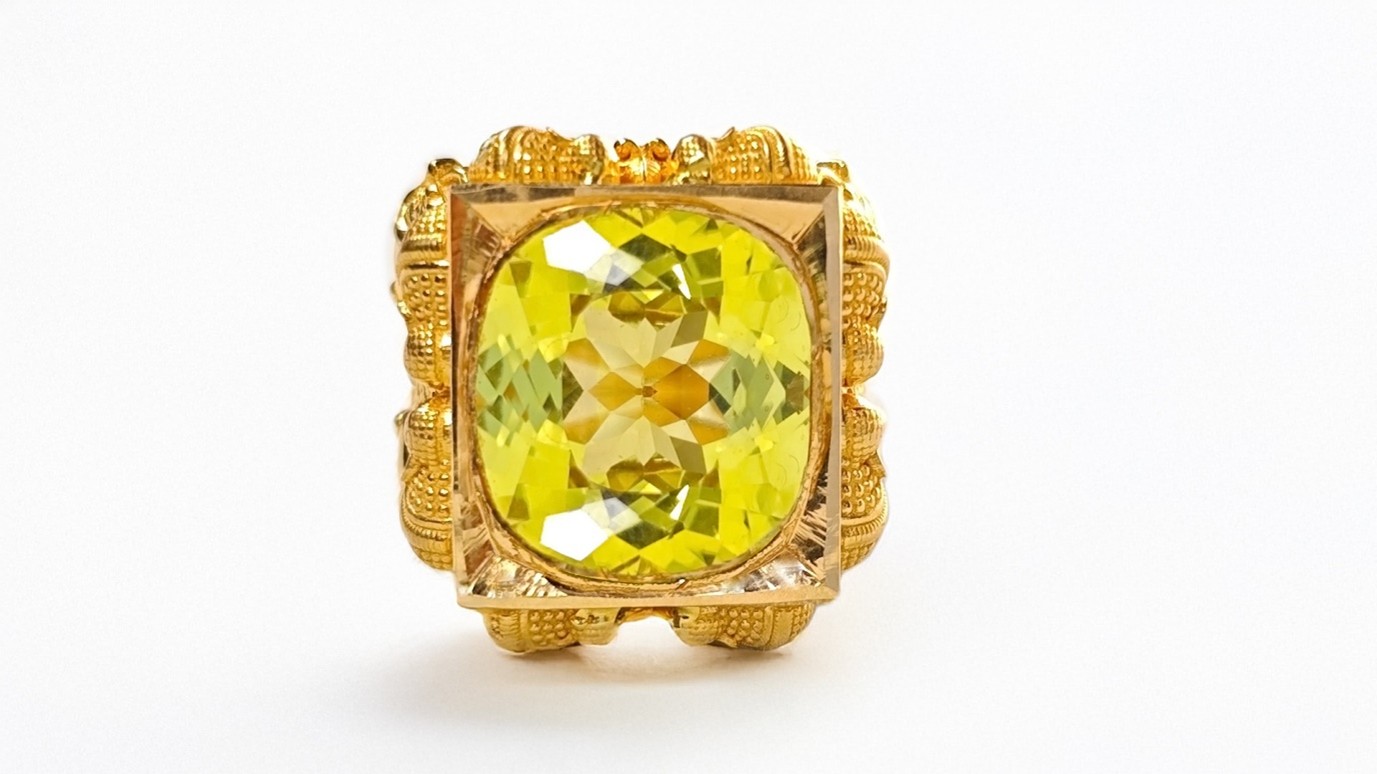
Mahat Ratnam
 Rare
Mahat Ratnam (Gold Heavy Ring)
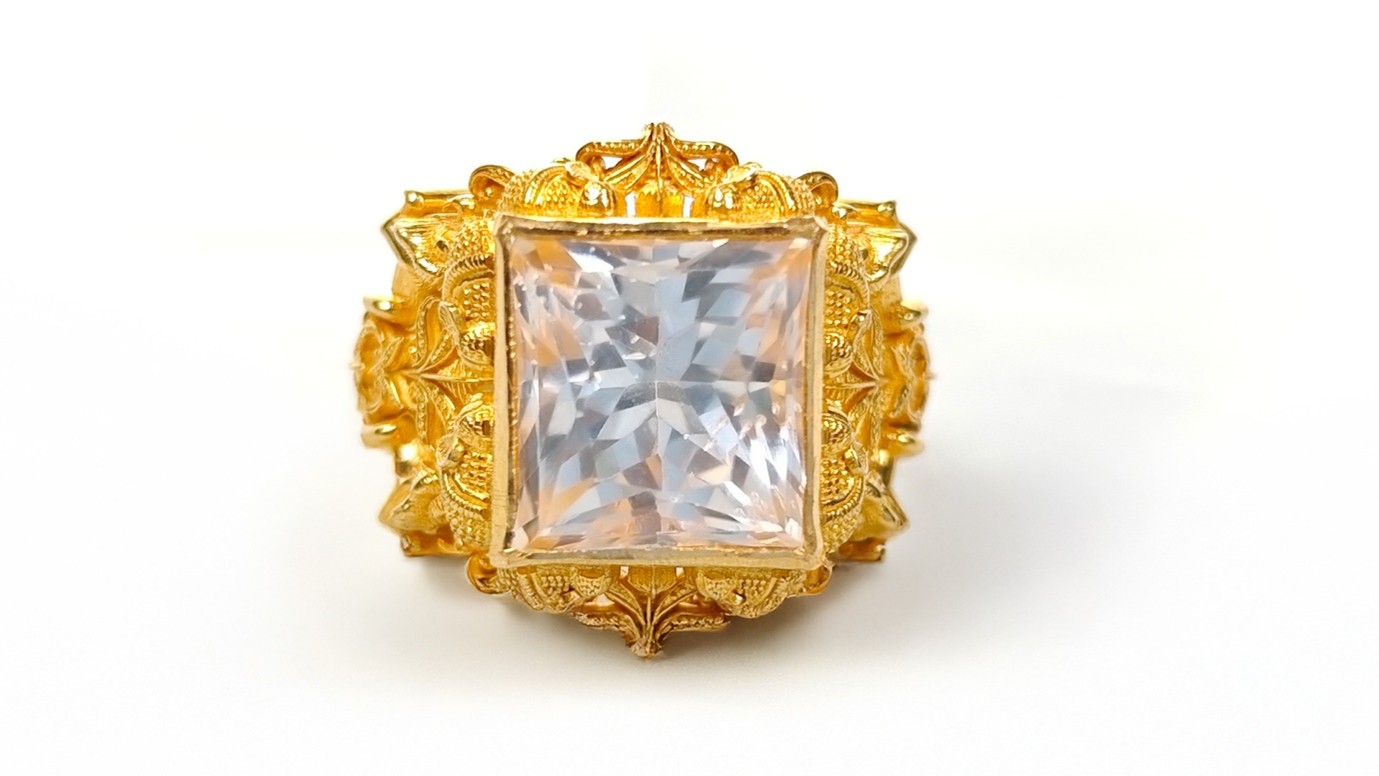
Sweetha Sukra Rathnam (Gold Heavy Ring)
Remedies & reports matched to your chart
We read your real Vedic birth chart, find your beneficial planets, then handpick ratnams, reports and guidance that strengthen them.
