


Navratri Day 5, 2026: Skandamata Puja Vidhi, Mantra & Significance
Navratri Day 5, 2026: Skandamata Puja Vidhi, Mantra & Significance
Navratri Day 5, 2026, falls on Thursday, October 15, 2026, during Sharad Navratri. On this day, devotees worship Maa Skandamata, the fifth form of Goddess Durga, who represents divine motherhood, love, compassion and spiritual strength. Her blessings are traditionally associated with peace, wisdom and harmony within the family.
Maa Skandamata is worshipped with flowers, prayers, mantras, diya and traditional offerings. Whether you celebrate Navratri every year or are observing it for the first time, understanding the significance of this day can help you connect more deeply with the festival.
In this guide, discover the significance of Maa Skandamata, Skandamata Puja Vidhi, the mantra, puja samagri, traditional bhog and simple ways to worship the Goddess at home.
When Is Navratri Day 5 in 2026?
Navratri Day 5 is on Thursday, October 15, 2026. The fifth day is associated with Panchami Tithi and the worship of Maa Skandamata. This date follows the commonly published Sharad Navratri calendar for 2026.
| Detail | Information |
|---|---|
| Festival | Sharad Navratri 2026 |
| Date | Thursday, October 15, 2026 |
| Tithi | Shukla Panchami |
| Goddess | Maa Skandamata |
| Navdurga form | Fifth form |
| Traditional colour | Yellow |
Puja timings depend on the local Panchang, city and prevailing tithi. Devotees in Hyderabad and other locations should check their local Panchang for the appropriate worship time.
Who Is Maa Skandamata?
Maa Skandamata is the fifth manifestation of Goddess Durga in the Navdurga tradition. The name combines Skanda, another name for Lord Kartikeya, and Mata, meaning mother. She is worshipped as the divine mother of Lord Kartikeya, the deity associated with courage and the leadership of the celestial army.
Her image commonly shows her seated on a lotus, holding baby Kartikeya in her lap. She is also associated with a lion, symbolising courage and strength. The lotus represents purity and spiritual growth.
What Does Maa Skandamata Symbolize?
Maa Skandamata represents the loving and protective nature of motherhood. Her form reminds devotees that strength does not always mean being forceful. Sometimes, true strength comes from patience, understanding and caring for others.
For example, a parent who supports a child through school difficulties demonstrates patience and encouragement. Similarly, someone who cares for an elderly family member shows compassion through everyday actions. These experiences reflect the values associated with Maa Skandamata's maternal form.
Why Is Maa Skandamata Worshipped on Day 5?
The fifth day of Navratri honours the divine qualities of motherhood, devotion and inner strength. Devotees pray for wisdom, family harmony and the ability to face responsibilities with patience.
In Hindu tradition, worshipping Maa Skandamata is also associated with spiritual development and seeking the blessings of Goddess Durga.
What Is the Significance of Maa Skandamata?
The significance of Maa Skandamata goes beyond rituals. Her form encourages devotees to balance courage with kindness and responsibilities with compassion.
Her worship is traditionally associated with the following values:
-
Motherly love: Remembering the importance of care, affection and protection.
-
Wisdom: Seeking clarity when making personal or family decisions.
-
Courage: Developing the confidence to face everyday challenges.
-
Peace: Encouraging patience and understanding in relationships.
-
Spiritual growth: Strengthening faith through prayer, devotion and self-reflection.
These are traditional spiritual beliefs rather than guaranteed outcomes. The deeper message of the day is to bring the qualities of compassion and responsibility into daily life.
Skandamata Puja Vidhi: Step-by-Step Guide
Performing Skandamata Puja at home can be simple. Devotees can follow their family traditions and worship with sincerity rather than worrying about having every ritual item.
1. Clean the Puja Space
Begin by cleaning the prayer area and arranging a picture or idol of Maa Skandamata. Place it on a clean platform and decorate the space with flowers.
Wear clean clothes and sit comfortably before beginning the prayer.
2. Gather Skandamata Puja Samagri
Prepare the essential items before starting the puja. Commonly used items include:
-
Picture or idol of Maa Skandamata
-
Fresh flowers or a garland
-
Diya with ghee or oil
-
Incense sticks
-
Clean water
-
Fruits and traditional sweets
-
Kumkum and akshata, according to family custom
-
A plate for bhog and prasad
The exact materials can vary between regions and households.
3. Begin with a Prayer and Sankalp
Light the diya and offer a short prayer to Goddess Durga. You may make a simple sankalp, or personal intention, to worship with devotion and seek wisdom, peace and strength.
There is no need to make elaborate promises. A sincere prayer and a respectful attitude are central to a simple home puja.
4. Offer Flowers and Bhog
Offer fresh flowers, fruits and traditional sweets to Maa Skandamata. Yellow flowers are used by some devotees, while others follow their family traditions.
Keep the offerings clean and prepare them according to your household's customs.
5. Chant the Maa Skandamata Mantra
Sit quietly and chant the mantra with concentration. You can repeat it 11, 21 or 108 times according to your preference and available time.
6. Perform Aarti
Conclude the puja with Maa Skandamata's aarti or a familiar Durga prayer. Offer the prasad to family members after the worship, following your tradition.
Maa Skandamata Mantra in Sanskrit and Its Meaning
A simple mantra devotees can chant on Navratri Day 5 is:
ॐ देवी स्कन्दमातायै नमः।
Transliteration: Om Devi Skandamatayai Namah.
Meaning: I bow to Goddess Skandamata and seek her blessings.
This mantra is suitable for a simple devotional prayer at home. Chant it calmly, focusing on the qualities of love, patience, wisdom and inner strength.
When Should You Chant the Mantra?
Many devotees prefer to pray in the morning after bathing and preparing the puja space. However, you can also chant the mantra at another convenient time when you can sit peacefully.
If you are new to Navratri worship, begin with a few repetitions and gradually develop a regular prayer routine.
What Bhog Is Offered to Maa Skandamata?
Skandamata bhog commonly includes fruits, sweets and other simple vegetarian offerings. Some devotees offer bananas, milk-based sweets or kheer, depending on their regional and family traditions.
You may prepare:
-
Fresh seasonal fruits
-
Kheer or another traditional sweet
-
Milk-based prasad, where customary
-
Homemade vegetarian sweets
There is no need to prepare an elaborate feast. Offer food that is fresh, clean and appropriate to your family's religious practices. Distribute the prasad respectfully after the puja.
Maa Skandamata Puja Benefits
According to Hindu devotional traditions, worshipping Maa Skandamata is associated with several spiritual benefits.
Devotees seek her blessings for:
-
Peace and understanding within the family.
-
Patience while managing responsibilities.
-
Wisdom when facing important decisions.
-
Courage during difficult periods.
-
Greater devotion and spiritual awareness.
For instance, a person experiencing tension at home might use the occasion to pray for harmony and reflect on how to communicate more patiently with family members. Prayer can provide a meaningful moment of reflection, while practical steps and open communication remain important in resolving disagreements.
These traditional beliefs should not be treated as promises of specific material, relationship or health outcomes.
How to Worship Maa Skandamata at Home
If you have limited time, you can still observe Navratri Day 5 through a simple devotional routine.
-
Clean your prayer space and place a picture of Maa Skandamata.
-
Light a diya safely and offer flowers.
-
Chant “Om Devi Skandamatayai Namah.”
-
Offer fruit or a simple homemade sweet.
-
Pray for wisdom, compassion and peace.
-
Conclude with aarti or a short prayer.
Fasting is a personal and family tradition. Follow a practice suitable for your circumstances, and do not feel compelled to undertake a difficult fast to demonstrate devotion.
Astrology Guidance and Spiritual Remedies During Navratri
Navratri is also a time when some people reflect on their Janam Kundli, planetary placements and personal goals. In Vedic astrology, an individual's chart is traditionally interpreted using factors such as planetary positions, houses, dashas and nakshatras.
If you are looking for guidance about career decisions, relationships or spiritual practices, an experienced astrologer can help you understand traditional astrological interpretations and consider appropriate next steps.
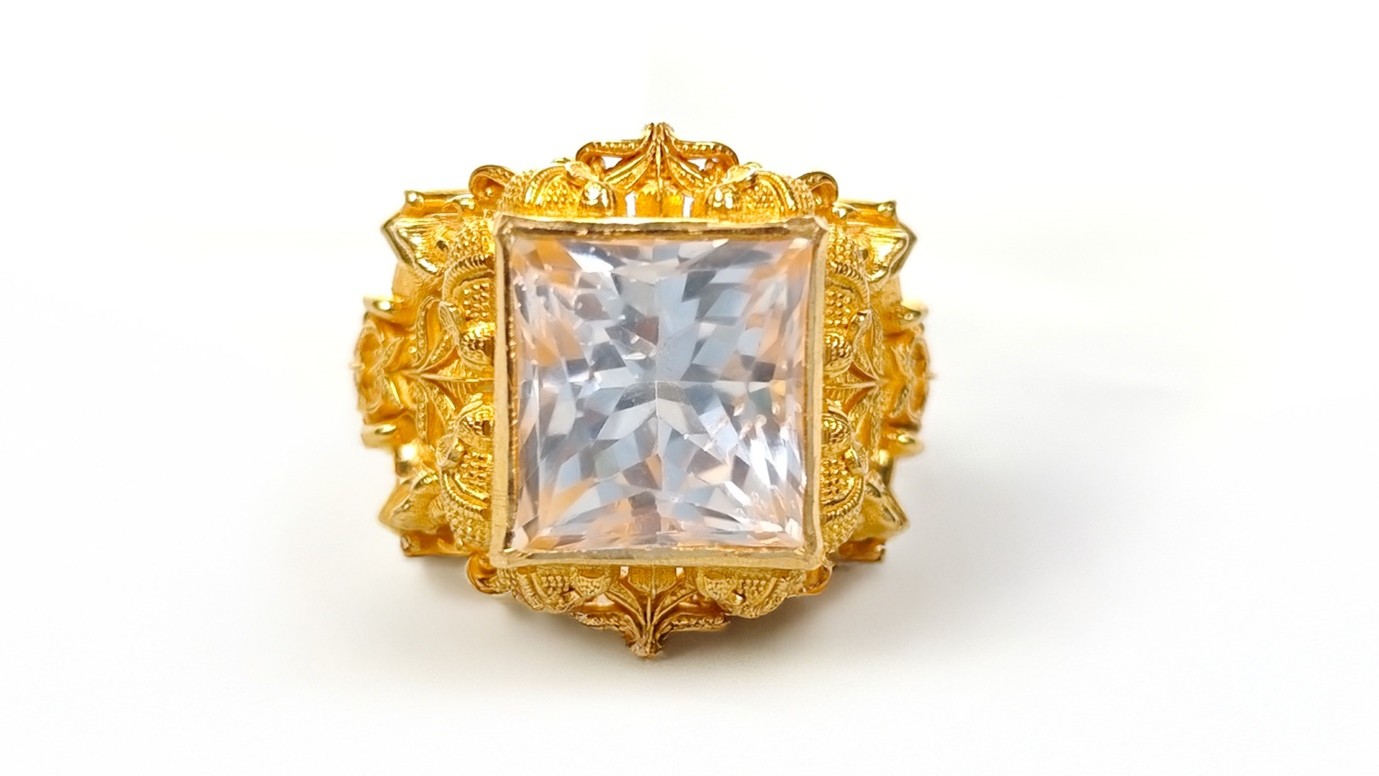
Gemstones are another part of some Vedic astrological traditions. Swetha Shukra Ratnam, also known as Adrushta Ratnam, may be discussed with Guru Ji Ramana Yogi Lal as a gemstone option for people across different nakshatras. Its suitability should be considered separately from the belief that every gemstone addresses every problem. No single gemstone should be presented as a guaranteed solution to all personal, financial or relationship concerns.
For personalised guidance, you can contact Guru Ji Ramana Yogi Lal to discuss your questions and gemstone options.
Talk to an Astrologer Online During Navratri
Navratri can be a meaningful opportunity to reflect on your goals, family relationships and spiritual practices. If you have questions about your Janam Kundli, nakshatra, career or marriage, an online consultation can help you explore traditional Vedic astrology interpretations.
Visit AstroTalks Adrustar at astrotalksadrustar.com to explore online astrology consultation options and connect with an astrologer.
For a gemstone-related discussion, you can also contact Guru Ji Ramana Yogi Lal.
Call Guru Ji: 9399993389 or 9993799931
Address: Flat No. 72/A, Main Road, opposite Bajaj Electronics, Srinivasa Nagar Colony, A. S. Rao Nagar, Secunderabad, Telangana 500062.
Choose guidance that respects your beliefs, explains the reasoning clearly and avoids unrealistic promises.
Maa Skandamata and the Nine Forms of Durga
Maa Skandamata is the fifth form of Navdurga, the nine manifestations of Goddess Durga worshipped during Navratri. Each form represents different divine qualities and offers devotees an opportunity to reflect on a particular aspect of spiritual life.
The traditional sequence begins with Maa Shailputri, followed by Maa Brahmacharini, Maa Chandraghanta and Maa Kushmanda. Maa Skandamata is worshipped on the fifth day, followed by Maa Katyayani, Maa Kalaratri, Maa Mahagauri and Maa Siddhidatri.
Together, these nine forms celebrate the strength, wisdom, compassion and protective power of the Divine Mother.
Conclusion
Navratri Day 5, 2026, celebrates Maa Skandamata and the values of motherhood, compassion, wisdom and inner strength. By understanding the significance of the Goddess and following a simple Skandamata Puja Vidhi, devotees can make the day meaningful without complicated rituals.
Whether you worship at home, chant the mantra or spend time reflecting on your personal goals, let the occasion inspire patience, kindness and faith in everyday life.
For questions about your Janam Kundli or traditional Vedic astrology guidance, visit AstroTalks Adrustar and explore an online consultation with an astrologer
Written by
Ramana Lal
Navratri expert · Astrotalks Adrustar
Questions
Frequently Asked Questions
Related Articles

Navratri Day 6, 2026: Maa Katyayani Puja Vidhi, Mantra & Significance
Read moreNavratri Day 7, 2026: Maa Kalaratri Puja Vidhi & Mantra
Read more
Navratri 2026 Day 4: Maa Kushmanda Mantra, Puja & Benefits
Read more
Devi Navaratri 2026: Dates, Start & End Date, Dasara
Read more
Independence Day 2026 & Hariyali Teej – Double Celebration Astrology Guide
women in traditional green attire celebrating hariyali teej on august 15 2026
Read more
Devi Navaratri 2026: Dates, Puja, 9 Durga Forms & Fasting
Read more
Sarva Pitru Amavasya 2026: Date, Significance & Shradh
Read more
Janmashtami 2026 Date – Krishna Puja Muhurat & Vrat Vidhi
Read moreFeatured Videos
 —
😱 యాంకర్ ముందే చేతబడి తొలగించిన గురుజీ! షాక్లో యాంకర్!
2 views
 —
తాబేలు, అదృష్టమా దురదృష్టమా.|
2 views
 —
ADRUSTA RATNAM తో 100 కోట్లకు మార్గం, 4 కోట్ల ల్యాండ్ డీలింగ్, ఆరోగ్యం మంచిగా అయింది
3 views
 —
₹8 కోట్ల బిజినెస్, ₹20 కోట్ల ప్రాజెక్ట్.. దీని వెనుక ఉన్న కథ ఏమిటి?
0 views
 —
🤔 అన్ని సమస్యలకు ఒక్కటే పరిష్కారం.. "అదృష్టం రత్నం"👏
7 views
 —
దరిద్రం పోయింది, వేల కోట్ల వచ్చాయి ADRUSTA RATNAM | 9399993389
8 views
 —
8 రోజులో పెళ్లి, 3 నెలల్లో కోట్ల సంపాదన, 100 కోట్ల దారి అద్బుతం
9 views
 —
అష్టైశ్వర్యాలు రక్షణ తంత్రం 💰 | Adrusta Ratnam
21 views
 —
10 లక్షల నుంచి కోట్ల సంపాదన! 😱@adrustaratnam #successstory
12 views
 —
🙏 చివరి ప్రయత్నంగా వచ్చాం... 18 ఏళ్ల కష్టాలు ముగిశాయి! @adrustaratnam #successstory
17 views
Consult Astrologers

- Expertise
- Spiritual Guidance, Mantra, Remedies
- Languages
- Sanskrit, Hindi, English

- Expertise
- Vedic Astrology, Kundli Matching, Career
- Languages
- Hindi, English

- Expertise
- Vedic Astrology, Muhurta, Marriage
- Languages
- Hindi, Marathi, Sanskrit

- Expertise
- Vedic Astrology, Education, Career
- Languages
- Hindi, English, Bhojpuri
- Expertise
- Vedic Astrology
- Languages
- Telugu
- Expertise
- Numerology
- Languages
- English
- Expertise
- Vedic Astrology
- Languages
- Hindi, English, Telugu

- Expertise
- Vedic Astrology
- Languages
- Telugu
Learn Astrology
 Beginner
Foundations of Vedic Astrology
Start your Jyotish journey — planets, signs, houses, and how a birth chart is built from the sky at your moment of birth.
 Intermediate
Reading Your Birth Chart
Go from chart structure to interpretation — ascendant, planetary placements, aspects, and the art of synthesis.
 Beginner
Numerology Essentials
Decode the hidden language of numbers — life path, destiny, and name numbers and what they reveal about you.
Astrology Reports

Yearly Horoscope 2026 Report
A complete 2026 forecast across career, money, love, health, and spirituality.

Varshphal — Annual Solar Return Report
Your personalised year-ahead forecast built on the Tajika solar-return chart.

Fortune & Wealth Report
Understand your financial destiny through the wealth houses of your chart.

Name Correction Report
Align the numerology and phonetics of your name with your birth chart.

Sade Sati Report
Navigate Saturn's seven-and-a-half-year transit with clarity and remedies.

Baby Astrology Report
A loving first map of your child's chart — nature, talents, and auspicious names.

Rahu Ketu Report
Decode the karmic axis of your chart and the path of your soul's growth.

Love & Relationship Report
Understand your heart's pattern, compatibility, and the timing of love.

Career & Profession Report
Find your true vocation through the tenth house and the strengths of your chart.
Adrusta Ratnam Remedies

Bruhat Yoga Swarna Ratnam & Lakshmi Ratnam

BruhatYoga Swarna Ratnam

Sweetha Sukra Ratnam

Lakshmi Ratnam

Mahat Ratnam
 Rare
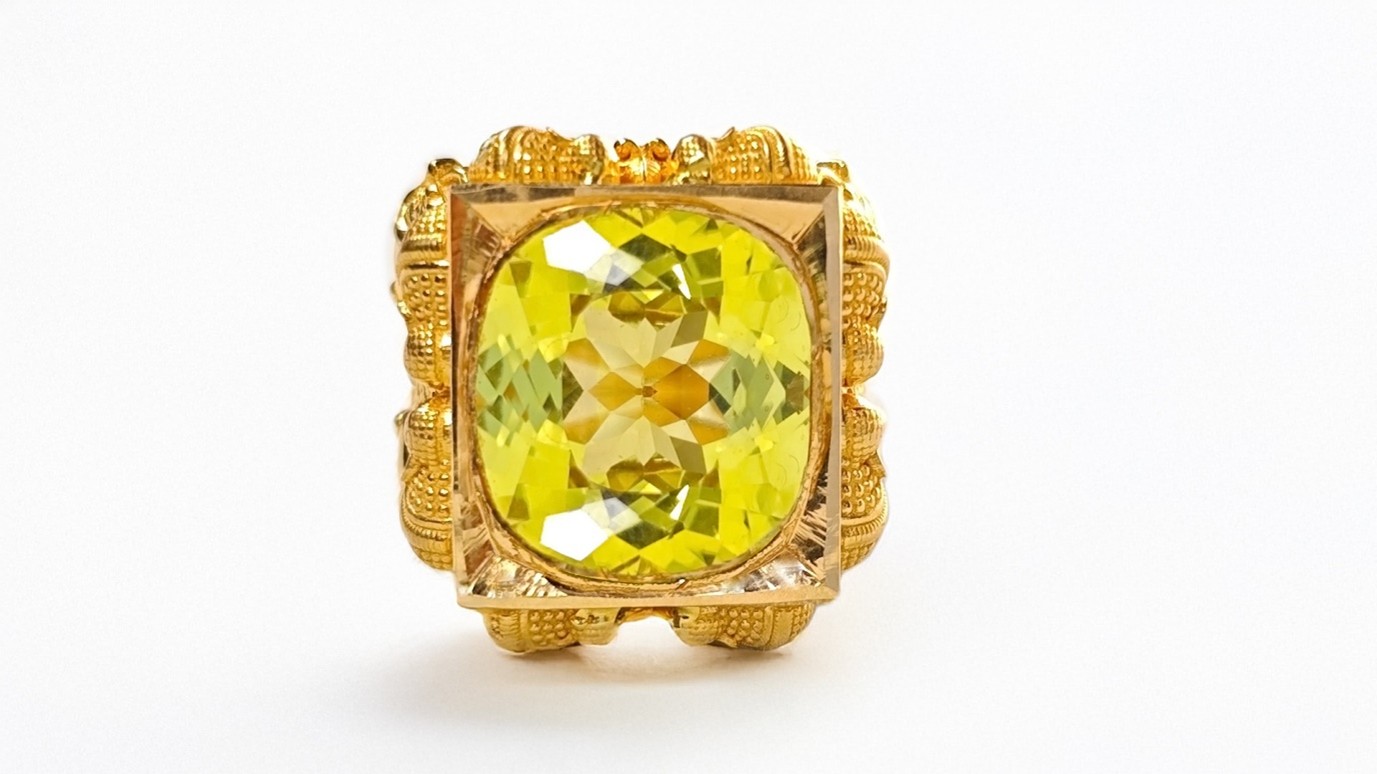
Mahat Ratnam (Gold Heavy Ring)
 Luxury
Sweetha Sukra Rathnam (Gold Heavy Ring)
Remedies & reports matched to your chart
We read your real Vedic birth chart, find your beneficial planets, then handpick ratnams, reports and guidance that strengthen them.
