


Sarva Pitru Amavasya 2026: Date, Significance & Shradh
Sarva Pitru Amavasya 2026: Date, Significance & Who Should Perform Shradh
Sarva Pitru Amavasya 2026 will be observed on Saturday, October 10, 2026. It marks the concluding day of Pitru Paksha and is traditionally dedicated to remembering and offering Shradh to ancestors. It is also known as Mahalaya Amavasya and Sarvapitri Amavasya.
For many Indian families, this day is a quiet reminder of the people and generations who came before us. Through prayers, Tarpan, food offerings, charity and remembrance, families follow their ancestral traditions with respect and gratitude.
But who should perform Shradh on Sarva Pitru Amavasya? What if the exact death Tithi of an ancestor is unknown? What rituals are traditionally performed?
Let us understand the Sarva Pitru Amavasya 2026 date, significance, Shradh rituals, timings and family traditions in simple language.
When Is Sarva Pitru Amavasya 2026?
Sarva Pitru Amavasya 2026 falls on Saturday, October 10, 2026. It is the final day of Pitru Paksha.
The exact Shradh Muhurat can differ according to location because Hindu calendar calculations and ritual timings depend on the local sunrise, Tithi and Panchang.
Therefore, families should check a local Panchang for the precise Tarpan or Shradh timing applicable to their city.
Sarva Pitru Amavasya 2026 Tithi
Sarva Pitru Amavasya occurs on the Amavasya Tithi that concludes Pitru Paksha. Since Tithi timings can cross different parts of a calendar day, it is useful to check the local Panchang instead of relying only on a generic clock time.
Sarva Pitru Amavasya 2026 Shradh Timings
Traditional Shradh is generally associated with the Aparahna Kala, along with specific Muhurats such as Kutup and Rohina Muhurat.
However, there is no single nationwide Shradh time that should be applied to every location. City-specific Panchang calculations should be followed.
What Is Sarva Pitru Amavasya?
Sarva Pitru Amavasya means an Amavasya associated with remembrance and offerings for ancestors. It is the Pitru Paksha last day and holds an important place in Hindu ancestral traditions.
The word Pitru refers to ancestors, while Amavasya refers to the New Moon day. On this day, families traditionally remember departed parents, grandparents and other ancestors through prayers and offerings.
It can be especially meaningful when a family wants to remember multiple ancestors or when a particular Shradh could not be performed on the appropriate Tithi.
Why Is Sarva Pitru Amavasya Important?
The Last Day of Pitru Paksha
Sarva Pitru Amavasya is the concluding day of Pitru Paksha. It brings the period of ancestral remembrance to a close.
Families may use this day to complete their observances and express gratitude to their ancestors.
Honoring Known and Unknown Ancestors
One important traditional association of Sarva Pitru Amavasya is remembering ancestors when their exact death Tithi is not known.
For example, imagine a family knows that a great-grandparent passed away many years ago but no one remembers the exact lunar Tithi. In such circumstances, the family may observe Shradh on Sarva Pitru Amavasya according to their tradition.
Completing Missed Shradh Observances
Some families also observe this day when an earlier Shradh could not be performed. The exact practice can vary according to family tradition, region and priestly guidance.
Is Sarva Pitru Amavasya the Same as Mahalaya Amavasya?
In many traditions, Sarva Pitru Amavasya and Mahalaya Amavasya refer to the same concluding Amavasya of Pitru Paksha.
You may also see the terms Sarvapitri Amavasya, Pitru Paksha Amavasya and Amavasya Shradh used in different regions.
The name may vary, but the central theme remains ancestral remembrance, prayer and traditional offerings.
Why Is Sarva Pitru Amavasya Called the Last Day of Pitru Paksha?
Pitru Paksha is a traditional period dedicated to honoring ancestors. It culminates with Amavasya.
Therefore, Sarva Pitru Amavasya 2026 is often searched as the last day of Pitru Paksha 2026.
For families following these traditions, the final Amavasya can provide an opportunity to offer prayers and complete ancestral observances before the next phase of the Hindu calendar begins.
Who Should Perform Shradh on Sarva Pitru Amavasya?
This is one of the most commonly searched questions about Sarva Pitru Amavasya.
Traditionally, Shradh may be performed by family members who follow ancestral rituals. However, there is no single rule that applies identically to every family.
Customs can differ based on:
-
Family tradition
-
Region
-
Sampradaya
-
Community customs
-
Guidance of the family priest
-
The relationship with the deceased ancestor
Families Observing Annual Shradh
A family that traditionally performs annual Shradh for parents, grandparents or other ancestors may continue those practices according to the relevant Tithi.
People Who Missed the Appropriate Tithi
If a family could not perform a particular Shradh, Sarva Pitru Amavasya may be observed according to their tradition as an opportunity for remembrance and offerings.
When the Ancestor's Death Tithi Is Unknown
This is one of the important traditional purposes associated with Sarva Pitru Amavasya. Families may choose this day to remember an ancestor when the exact death Tithi is not known.
Can Daughters or Women Perform Shradh?
Practices differ between families and traditions. In some traditions, women or daughters may participate in or perform ancestral observances, while other families follow different customary rules.
Rather than assuming one universal rule, it is better to follow the custom of your family or seek guidance from a knowledgeable priest.
What If You Don't Know Your Ancestor's Death Tithi?
If you do not know an ancestor's exact death Tithi, do not assume that the family has no way to remember them.
Sarva Pitru Amavasya is traditionally associated with offerings for ancestors whose specific Tithi is unknown or whose Shradh could not be observed.
For example, if family records are incomplete because an ancestor passed away several generations ago, the family may observe Sarva Pitru Amavasya Shradh according to its customary practice.
If several generations are involved or the family tradition is unclear, speaking with a knowledgeable priest or Vedic astrologer can help you understand the appropriate observance.
Sarva Pitru Amavasya Shradh Rituals
The exact Sarva Pitru Amavasya rituals can vary by region and family tradition. Common elements may include:
Preparing for Shradh
The family prepares a clean and peaceful space and arranges the traditional items required for the observance.
Sankalpa and Ancestor Remembrance
A Sankalpa may be taken with the intention of remembering the departed ancestor or ancestors.
Tarpan
Pitru Tarpan traditionally involves offering water as part of ancestral remembrance. Black sesame seeds may also be used according to the family tradition.
Pind Daan
Some traditions include Pind Daan, using traditional offerings associated with Shradh.
Food Offerings
Families may prepare traditional food and make offerings according to their customs.
Charity and Donations
Charity, food donation or other forms of Daan may be included as an expression of respect and remembrance.
What to Offer on Sarva Pitru Amavasya?
| Traditional Offering | Traditional Use |
|---|---|
| Water | Tarpan |
| Black sesame | Traditional Pitru offering |
| Rice | Used in various Shradh practices |
| Pinda | Ancestor offering |
| Food | Traditional Shradh offering |
| Clothes | Charity or Daan in some traditions |
| Diya | Prayer and remembrance |
These practices are traditional and can differ across families and regions.
Sarva Pitru Amavasya Dos and Don'ts
What to Do
-
Remember ancestors with respect and gratitude.
-
Follow your family tradition.
-
Perform Tarpan or Shradh according to customary practice.
-
Offer food or charity where appropriate.
-
Check your local Panchang for the correct timing.
-
Seek priestly guidance when the family tradition is unclear.
What to Avoid
-
Do not assume that one ritual procedure applies to every family.
-
Avoid using one city's Shradh timing for another city without checking the local Panchang.
-
Do not perform unfamiliar rituals without understanding the tradition.
-
Avoid fear-based interpretations of Pitru Paksha.
Why Family and Regional Customs Matter
Hindu rituals have developed through different regional and family traditions. A practice followed in one community may not be identical to another.
For important family observances, personalized guidance can make the process clearer and more respectful.
Sarva Pitru Amavasya 2026 Muhurat and Shradh Timing
The traditional timing of Shradh may involve Kutup Muhurat, Rohina Muhurat and Aparahna Kala.
Because these timings depend on local astronomical calculations, sunrise and the relevant Tithi, the exact timing can vary between cities.
If you are observing Sarva Pitru Amavasya 2026 in Hyderabad, Delhi, Mumbai, Bengaluru, Chennai or another city, check the Panchang for your location rather than following a generic time from another place.
Can You Perform Shradh at Home?
Some families perform simple ancestral remembrance and offerings at home according to their established customs.
Others prefer to have a priest guide the complete Shradh ceremony, especially when performing Pind Daan, Sankalpa or other detailed rituals.
If you are unsure what your family tradition requires, an experienced priest or Vedic astrologer can help you understand the appropriate procedure.
Spiritual Significance of Pitru Paksha
In traditional Hindu belief, Pitru Paksha is a period of gratitude, remembrance and respect for ancestors.
Beyond the ritual itself, it can also encourage families to remember their roots and pass traditions from one generation to another.
A simple prayer, remembering an elder with gratitude, preparing traditional food or helping someone through charity can become a meaningful expression of remembrance when performed within one's family tradition.
Can Astrology Help With Ancestral Guidance?
Astrology is sometimes consulted by families who want to understand their Kundli, ancestral traditions or suitable spiritual practices.
If you are also exploring gemstones as part of your broader Vedic astrology guidance, Guru Ji Ramana Yogi Lal can help you understand gemstone recommendations based on your individual astrological considerations.
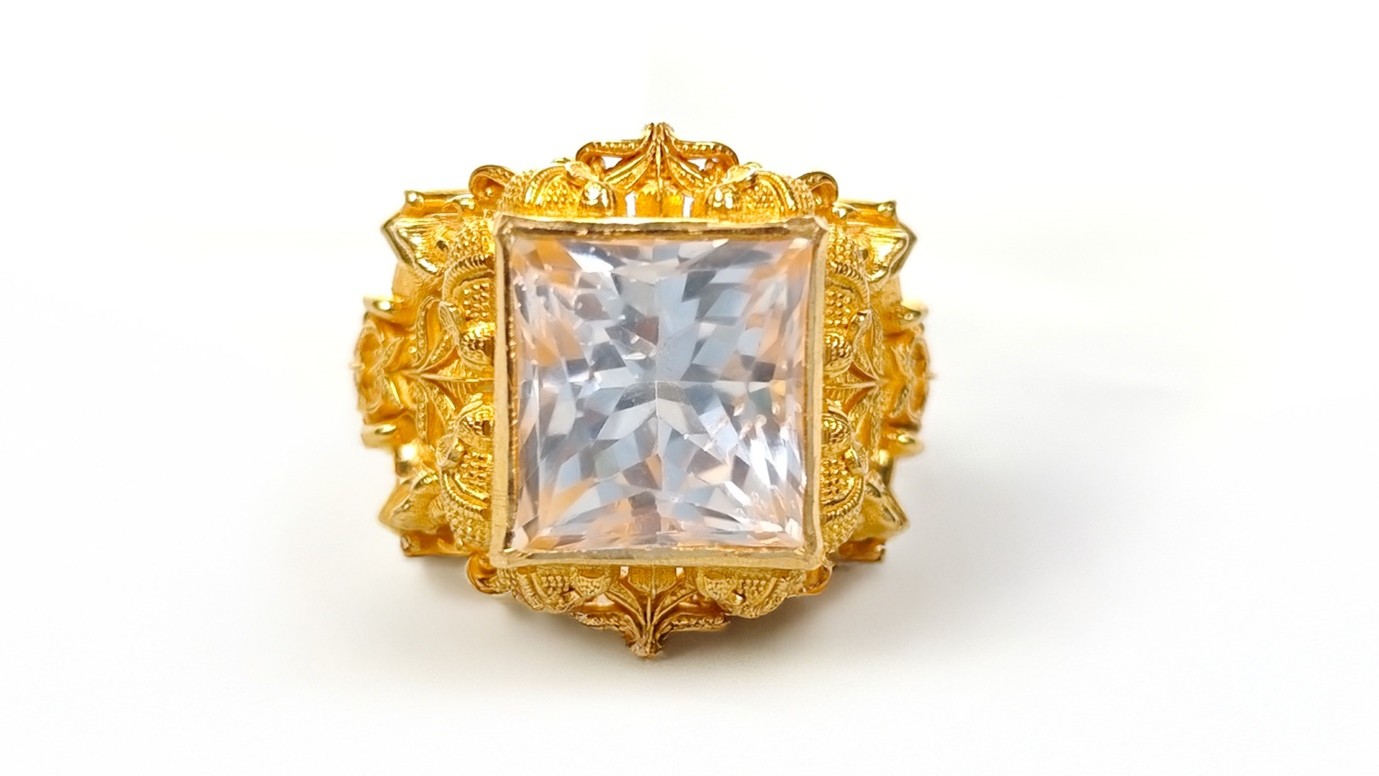
Adrushta Ratnam or Swetha Shukra Ratnam may be recommended in certain astrological contexts as a gemstone associated with Nakshatra-based guidance. This should not be understood as one gemstone being a universal solution for every problem. A personalized recommendation is more appropriate than choosing a gemstone simply because it is popular.
For personal guidance, you can consult Guru Ji Ramana Yogi Lal at 9399993389 / 9993799931, or visit:
Flat No. 72/A, Main Road, Opp. Bajaj Electronics, Srinivasa Nagar Colony, Srinivas Nagar Colony, A. S. Rao Nagar, Hyderabad, Secunderabad, Telangana – 500062.
Final Thoughts
Sarva Pitru Amavasya 2026 on October 10 is a significant day in the traditional Hindu calendar and marks the last day of Pitru Paksha. It gives families an opportunity to remember ancestors, complete Shradh observances and express gratitude across generations.
If you are unsure about the appropriate Shradh procedure, the correct local timing or your family tradition, consider consulting a knowledgeable priest or Vedic astrologer rather than following a one-size-fits-all ritual.
For personalized astrology and spiritual guidance, you can also connect with astrologers through AstrotalksAdrustar and understand your individual circumstances with care and clarity.
Written by
Ramana Lal
Spirituality expert · Astrotalks Adrustar
Questions
Frequently Asked Questions
Related Articles

Gajakesari Yogam: Meaning, Effects & How to Check
Read more
Raj Yoga in Kundli: Meaning, Types & Formation
Read more
Raj Yoga in Kundli: Meaning, Combinations & Calculator
Read more
Talk to an Astrologer: Chat, Call or Video — Which Mode Is Right for You?
Read more
Best Gemstone for Zodiac Sign 2026 | Rashi Guide
Read more
Kundli Matching Online: Step-by-Step Guide to Guna Milan Score
Read more
Talk to an Astrologer Online: What to Expect From a Vedic Consultation
Read more
Talk to Astrologer Online | Vedic Consultation
Read moreFeatured Videos
 —
😱 యాంకర్ ముందే చేతబడి తొలగించిన గురుజీ! షాక్లో యాంకర్!
2 views
 —
తాబేలు, అదృష్టమా దురదృష్టమా.|
2 views
 —
ADRUSTA RATNAM తో 100 కోట్లకు మార్గం, 4 కోట్ల ల్యాండ్ డీలింగ్, ఆరోగ్యం మంచిగా అయింది
3 views
 —
₹8 కోట్ల బిజినెస్, ₹20 కోట్ల ప్రాజెక్ట్.. దీని వెనుక ఉన్న కథ ఏమిటి?
0 views
 —
🤔 అన్ని సమస్యలకు ఒక్కటే పరిష్కారం.. "అదృష్టం రత్నం"👏
7 views
 —
దరిద్రం పోయింది, వేల కోట్ల వచ్చాయి ADRUSTA RATNAM | 9399993389
8 views
 —
8 రోజులో పెళ్లి, 3 నెలల్లో కోట్ల సంపాదన, 100 కోట్ల దారి అద్బుతం
9 views
 —
అష్టైశ్వర్యాలు రక్షణ తంత్రం 💰 | Adrusta Ratnam
21 views
 —
10 లక్షల నుంచి కోట్ల సంపాదన! 😱@adrustaratnam #successstory
12 views
 —
🙏 చివరి ప్రయత్నంగా వచ్చాం... 18 ఏళ్ల కష్టాలు ముగిశాయి! @adrustaratnam #successstory
17 views
Consult Astrologers

- Expertise
- Spiritual Guidance, Mantra, Remedies
- Languages
- Sanskrit, Hindi, English

- Expertise
- Vedic Astrology, Kundli Matching, Career
- Languages
- Hindi, English

- Expertise
- Vedic Astrology, Muhurta, Marriage
- Languages
- Hindi, Marathi, Sanskrit

- Expertise
- Vedic Astrology, Education, Career
- Languages
- Hindi, English, Bhojpuri
- Expertise
- Vedic Astrology
- Languages
- Telugu
- Expertise
- Numerology
- Languages
- English
- Expertise
- Vedic Astrology
- Languages
- Hindi, English, Telugu

- Expertise
- Vedic Astrology
- Languages
- Telugu
Learn Astrology
 Beginner
Numerology Essentials
Decode the hidden language of numbers — life path, destiny, and name numbers and what they reveal about you.
 Beginner
Foundations of Vedic Astrology
Start your Jyotish journey — planets, signs, houses, and how a birth chart is built from the sky at your moment of birth.
 Intermediate
Reading Your Birth Chart
Go from chart structure to interpretation — ascendant, planetary placements, aspects, and the art of synthesis.
Astrology Reports

Yearly Horoscope 2026 Report
A complete 2026 forecast across career, money, love, health, and spirituality.

Varshphal — Annual Solar Return Report
Your personalised year-ahead forecast built on the Tajika solar-return chart.

Fortune & Wealth Report
Understand your financial destiny through the wealth houses of your chart.

Name Correction Report
Align the numerology and phonetics of your name with your birth chart.

Sade Sati Report
Navigate Saturn's seven-and-a-half-year transit with clarity and remedies.

Baby Astrology Report
A loving first map of your child's chart — nature, talents, and auspicious names.

Rahu Ketu Report
Decode the karmic axis of your chart and the path of your soul's growth.

Love & Relationship Report
Understand your heart's pattern, compatibility, and the timing of love.

Career & Profession Report
Find your true vocation through the tenth house and the strengths of your chart.
Adrusta Ratnam Remedies

Bruhat Yoga Swarna Ratnam & Lakshmi Ratnam

BruhatYoga Swarna Ratnam

Sweetha Sukra Ratnam

Lakshmi Ratnam

Mahat Ratnam
 Rare
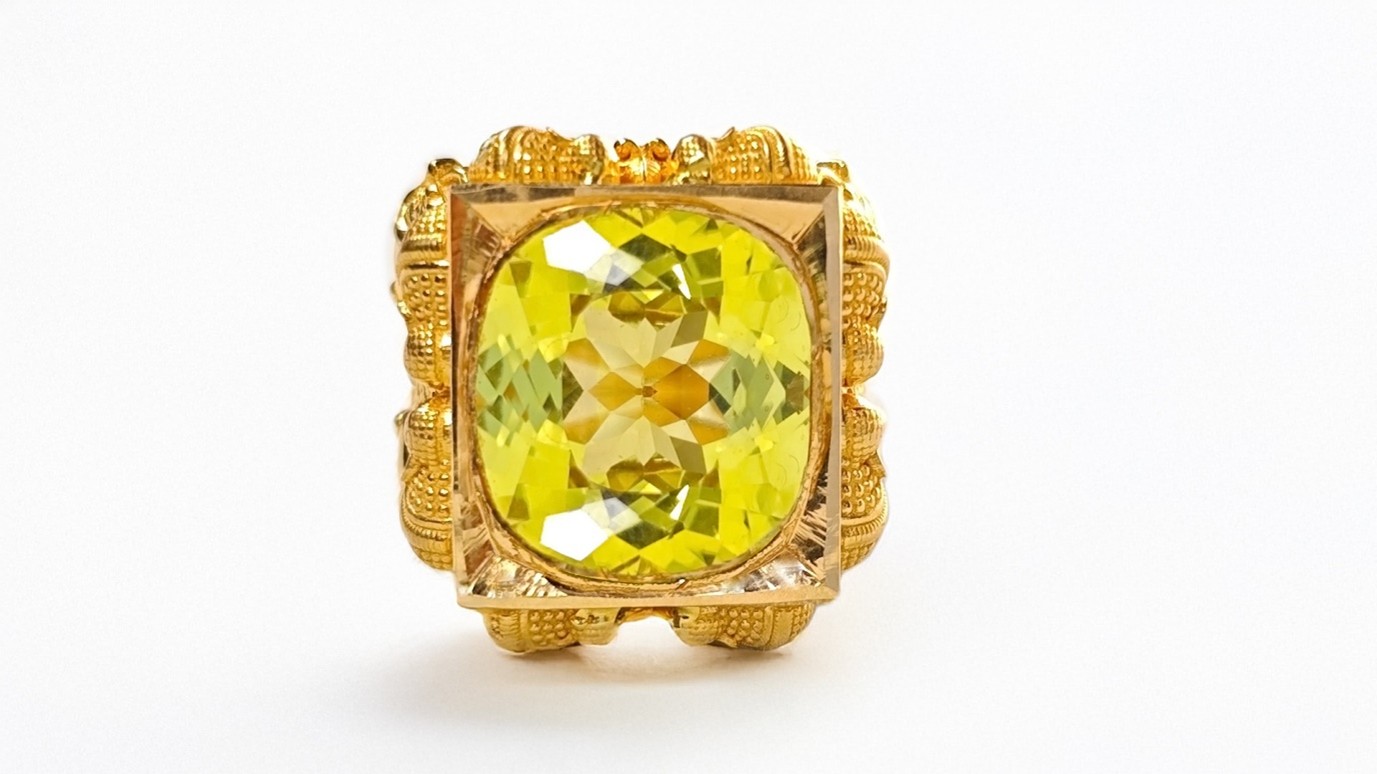
Mahat Ratnam (Gold Heavy Ring)
 Luxury
Sweetha Sukra Rathnam (Gold Heavy Ring)
Remedies & reports matched to your chart
We read your real Vedic birth chart, find your beneficial planets, then handpick ratnams, reports and guidance that strengthen them.
