

Devi Navaratri 2026: Dates, Puja, 9 Durga Forms & Fasting
Devi Navaratri 2026: Dates, Puja Rituals, 9 Forms of Durga, Fasting & Significance
Devi Navaratri 2026 is one of the most spiritually important Hindu festivals dedicated to Goddess Durga and the divine feminine power of Shakti. Also called Sharad Navaratri, Shardiya Navratri and Durga Navaratri, this sacred festival is traditionally observed for nine nights and culminates with Vijayadashami.
In 2026, Sharad Navaratri begins on Sunday, October 11, in Hyderabad, with Ghatasthapana and the worship of Maa Shailaputri. Durga Ashtami falls on Monday, October 19, while Vijayadashami is observed on Tuesday, October 20 in Hyderabad.
The nine days are dedicated to different forms of Goddess Durga. Devotees observe prayers, puja, fasting, mantra chanting and other spiritual practices according to their family and regional traditions. For many people, Navaratri is also a time to develop inner strength, discipline, devotion and a deeper connection with Shakti.
Devi Navaratri 2026: Date and Overview
Devi Navaratri 2026 begins on October 11 and the main nine-day worship period concludes with Navami observances on October 19, followed by Vijayadashami on October 20 in Hyderabad. The festival begins with Shukla Paksha Pratipada of the Ashwina month.
The first day is associated with Ghatasthapana and Maa Shailaputri Puja. Over the following days, devotees worship the nine forms of Navadurga, with each form representing a different aspect of Shakti.
Devi Navaratri 2026 Important Dates
| Date | Day | Main Observance |
|---|---|---|
| October 11, 2026 | Sunday | Ghatasthapana, Maa Shailaputri |
| October 12, 2026 | Monday | Maa Brahmacharini |
| October 13, 2026 | Tuesday | Maa Chandraghanta |
| October 14, 2026 | Wednesday | Maa Kushmanda |
| October 15, 2026 | Thursday | Maa Skandamata |
| October 16, 2026 | Friday | Maa Katyayani |
| October 17, 2026 | Saturday | Maa Kalaratri |
| October 18, 2026 | Sunday | Maa Mahagauri |
| October 19, 2026 | Monday | Durga Ashtami, Maha Navami, Maa Siddhidatri |
| October 20, 2026 | Tuesday | Vijayadashami / Dussehra |
The calendar can show overlapping tithis, which is why Durga Ashtami and Maha Navami both fall on October 19 in Hyderabad, while Navami continues into October 20. Local Panchang rules should be followed for specific puja timings.
When Does Devi Navaratri 2026 Start and End?
Devi Navaratri 2026 starts on Sunday, October 11, 2026. The festival's principal Navaratri worship continues through Navami on October 19, with Vijayadashami celebrated on October 20, 2026 in Hyderabad.
For devotees, the first day is especially important because it marks the beginning of the Navaratri sankalpa and the invocation of Goddess Shakti through Ghatasthapana or Kalash Sthapana.
In Hyderabad, the published Ghatasthapana window is 6:08 AM to 10:05 AM on October 11, 2026, with an Abhijit Muhurta of 11:39 AM to 12:26 PM. Because muhurta can depend on location and Panchang calculations, devotees should verify the timing for their exact location before performing the ritual.
Why Is Devi Navaratri Celebrated?
Devi Navaratri celebrates the power of Goddess Durga and Divine Shakti. One of the best-known traditional stories describes Goddess Durga's battle with the demon Mahishasura.
The story carries a deeper spiritual message. It represents the triumph of righteousness over destructive forces and reminds devotees that courage, discipline and divine strength can overcome darkness and difficulty.
Navaratri is therefore not only a festival of external celebration. It can also be a period for inner reflection.
Many devotees use these nine days to reduce distractions, pray more regularly, observe fasting according to their traditions, visit temples and spend time with family. The festival encourages people to reconnect with values such as courage, compassion, purity, devotion and self-discipline.
The Spiritual Significance of Navaratri
The word Navaratri means “nine nights.” These nine nights are traditionally dedicated to different manifestations of Goddess Durga.
Each form of the Goddess carries its own symbolism. Together, the nine forms represent different dimensions of Shakti, including stability, devotion, courage, creativity, motherhood, determination, inner strength, purity and spiritual wisdom.
For many devotees, this makes Navaratri a meaningful period for personal reflection.
Someone may use the festival to begin a new spiritual routine. Another person may focus on prayer and family traditions. Others may observe fasting, read devotional texts or visit temples.
The most important part is sincere devotion rather than simply following a long list of rituals.
9 Forms of Goddess Durga Worshipped During Navaratri
The nine forms of Goddess Durga are collectively known as Navadurga. Traditionally, one form is associated with each day of Navaratri.
Day 1 – Maa Shailaputri
Maa Shailaputri is worshipped on the first day of Navaratri. Her name is associated with the daughter of the mountain and represents stability, strength and grounded devotion.
The first day is a beautiful opportunity to begin Navaratri with a clear mind and sincere sankalpa.
Day 2 – Maa Brahmacharini
Maa Brahmacharini is associated with devotion, patience and spiritual discipline.
Her form reminds devotees that meaningful spiritual growth often requires consistency and dedication. During the second day, people may spend additional time in prayer, meditation or mantra chanting.
Day 3 – Maa Chandraghanta
Maa Chandraghanta represents courage, peace and readiness to face challenges.
Her traditional imagery combines strength with serenity. Devotees may reflect on how they can remain calm while dealing with responsibilities and difficulties in everyday life.
Day 4 – Maa Kushmanda
Maa Kushmanda is traditionally associated with creation, vitality and positive energy.
Her worship can be understood as a reminder of the creative power within life. Navaratri devotees may use this day to bring more positivity, gratitude and enthusiasm into their routine.
Day 5 – Maa Skandamata
Maa Skandamata represents motherhood, compassion and nurturing energy.
Her worship highlights the importance of love, care and responsibility. Families may especially connect with this aspect of the festival because Navaratri is often celebrated collectively at home.
Day 6 – Maa Katyayani
Maa Katyayani is associated with courage, determination and strength.
Her worship reminds devotees to face obstacles with confidence while remaining connected to dharma and devotion.
Day 7 – Maa Kalaratri
Maa Kalaratri represents the powerful aspect of Shakti that helps devotees overcome darkness and fear.
Although her traditional form is fierce, her spiritual symbolism can be understood as the courage to confront negativity and move forward with inner strength.
Day 8 – Maa Mahagauri
Maa Mahagauri is associated with purity, peace and spiritual clarity.
Her worship encourages devotees to reflect on simplicity, forgiveness and peaceful living. Many families consider Ashtami especially sacred and perform special Devi prayers on this day.
Day 9 – Maa Siddhidatri
Maa Siddhidatri is the ninth form of Navadurga and is traditionally associated with spiritual wisdom and divine grace.
Her worship brings the nine-day journey toward completion. Devotees may use the final day to express gratitude for the spiritual discipline and devotion maintained throughout Navaratri.
Navaratri 2026 Day-Wise Goddess List
For quick reference, here is the traditional Navadurga sequence for Devi Navaratri 2026:
| Day | Date | Goddess |
|---|---|---|
| Day 1 | October 11 | Maa Shailaputri |
| Day 2 | October 12 | Maa Brahmacharini |
| Day 3 | October 13 | Maa Chandraghanta |
| Day 4 | October 14 | Maa Kushmanda |
| Day 5 | October 15 | Maa Skandamata |
| Day 6 | October 16 | Maa Katyayani |
| Day 7 | October 17 | Maa Kalaratri |
| Day 8 | October 18 | Maa Mahagauri |
| Day 9 | October 19 | Maa Siddhidatri |
The exact regional observance can vary because lunar tithis may overlap. For example, Hyderabad's 2026 Panchang places Durga Ashtami and Maha Navami on October 19.
Kalash Sthapana During Devi Navaratri 2026
Kalash Sthapana, also called Ghatasthapana, is one of the important opening rituals of Navaratri. It symbolically marks the invocation of Goddess Shakti at the beginning of the festival.
A traditional setup may include a clean puja space, a kalash, water, mango leaves, coconut, grains and other items according to family tradition.
In Hyderabad, Ghatasthapana for 2026 is listed for October 11, with the principal muhurta between 6:08 AM and 10:05 AM.
Because auspicious timings are calculated according to location, sunrise, tithi and other Panchang factors, devotees should avoid blindly copying a muhurta from another city.
Devi Navaratri 2026 Puja Vidhi
The exact Navaratri puja vidhi differs between households and regions. However, a simple traditional routine can include cleaning the puja space, preparing the kalash, lighting a diya and offering flowers and devotional items.
Devotees can then worship the form of Goddess Durga associated with the particular day, recite Durga mantras or stotras, offer prasad and perform aarti.
The most important part of puja is sincerity. A simple prayer performed with devotion can be more meaningful than performing many rituals without understanding their purpose.
Families can also read devotional texts, visit temples, participate in community celebrations and maintain a peaceful atmosphere at home during the nine days.
Navaratri Fasting Rules and Food
Navaratri fasting is an important tradition for many devotees, but there is no single fasting method followed by every family.
Some people observe a complete fast, while others consume fruits, milk and permitted fasting foods. Commonly used foods during certain Navaratri fasting traditions include sabudana, kuttu flour, singhara flour, fruits, milk and selected vegetables.
Rock salt is also used in many fasting traditions instead of regular table salt.
However, fasting should be appropriate for the individual's health and circumstances. Children, older adults, pregnant women and people with medical or dietary requirements should follow suitable professional guidance rather than forcing themselves to follow a strict fast.
Navaratri fasting is ultimately intended as a spiritual discipline, not a test of physical endurance.
Important Navaratri 2026 Dates: Ashtami, Navami and Vijayadashami
Durga Ashtami 2026
In Hyderabad, Durga Ashtami or Mahashtami falls on Monday, October 19, 2026. The Ashtami Tithi begins at 8:27 AM on October 18 and ends at 10:51 AM on October 19.
Ashtami is considered one of the most significant days of Navaratri. Devotees may perform special Durga Puja, Kumari Puja and other traditional practices according to their regional customs.
Maha Navami 2026
Maha Navami is also observed on Monday, October 19, 2026, in Hyderabad. Navami Tithi begins at 10:51 AM on October 19 and ends at 12:50 PM on October 20.
Navami is traditionally associated with special Devi worship and, in many traditions, Navami Homa.
Vijayadashami 2026
Vijayadashami, also known as Dussehra or Dasara, falls on Tuesday, October 20, 2026, in Hyderabad. The Vijay Muhurat listed for Hyderabad is 1:57 PM to 2:44 PM.
Vijayadashami represents victory and is traditionally associated with Lord Rama's victory over Ravana as well as Goddess Durga's victory over Mahishasura. Different regions observe the day through different customs, including Shami Puja, Ayudha Puja and other traditional practices.
Navaratri Mantras for Peace, Strength and Prosperity
Mantra chanting is an important part of Devi worship. Devotees may choose traditional Durga mantras according to their family or spiritual tradition.
One simple mantra commonly associated with Goddess Durga is:
Om Dum Durgaye Namaha
Another well-known devotional verse begins:
Ya Devi Sarva Bhuteshu...
Devotees may also recite Durga Saptashati, Devi Mahatmyam, Navadurga Stotram or other traditional prayers.
Rather than viewing a mantra only as a way to obtain a particular material result, it can be approached as a practice of concentration, devotion and inner discipline.
Devi Navaratri and Vedic Astrology
Navaratri also has an interesting connection with the broader spiritual traditions associated with Vedic astrology.
In Vedic astrology, a person's Janam Kundli, planetary placements, Nakshatra and Dashas are traditionally considered when providing personalized guidance. Spiritual practices, mantras and gemstone recommendations may also be discussed in relation to an individual's birth chart.
This is why a general statement such as “one gemstone solves every problem” is not an ideal approach to gemstone astrology. Different gemstones have traditionally been associated with different planetary energies, and gemstone selection is normally considered a personalized matter.
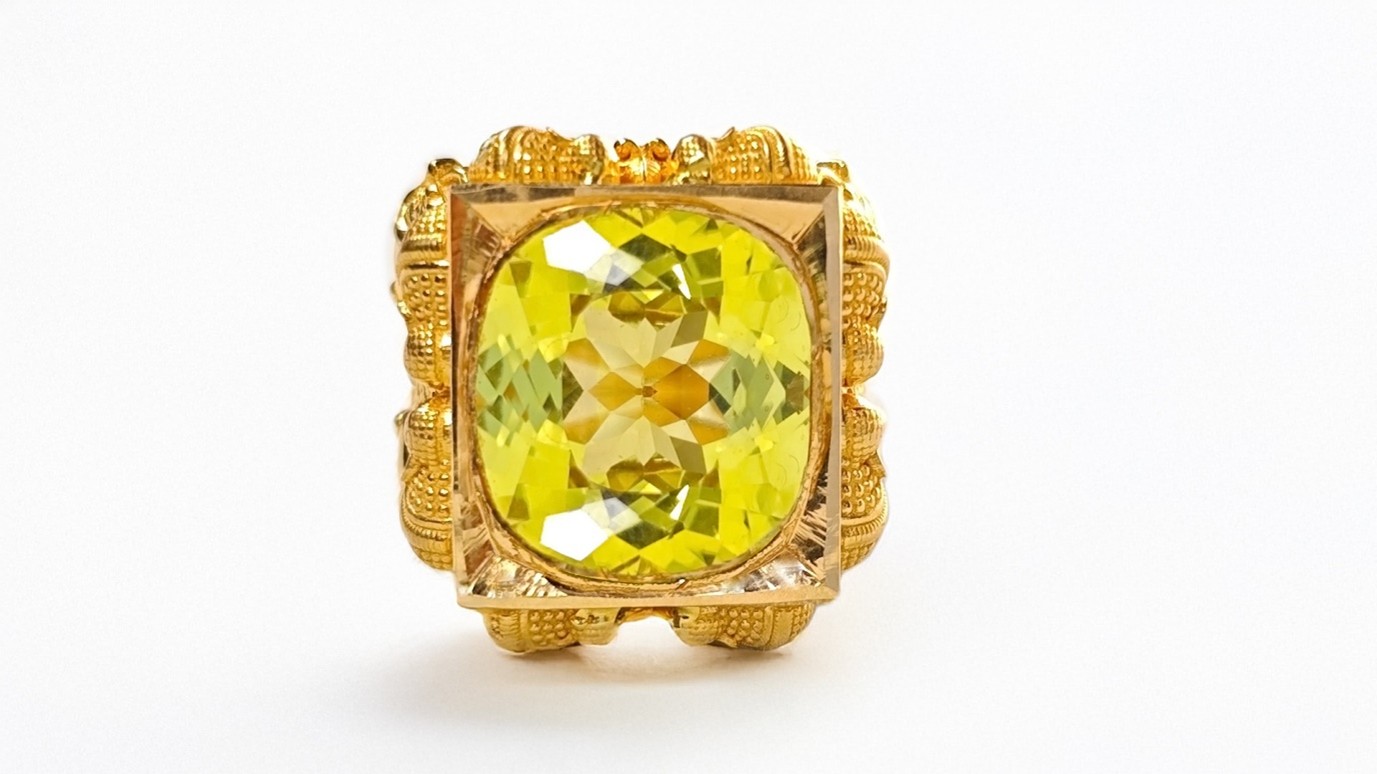
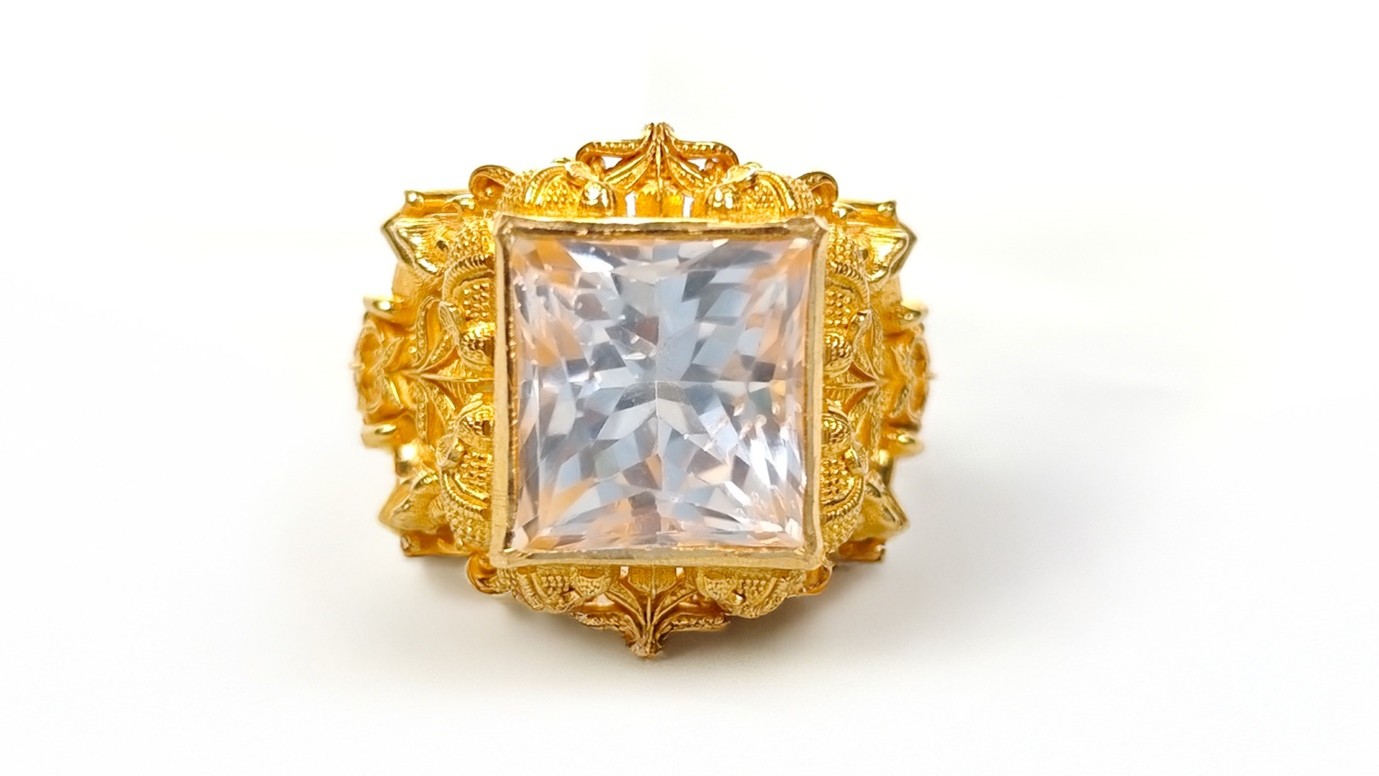
At Adrustar, Adrushta Ratnam, also known as Swetha Shukra Ratnam, is presented as a distinctive gemstone option that can be considered across Nakshatra-based guidance. Rather than saying that every gemstone is suitable for every problem, the focus is on Adrushta Ratnam / Swetha Shukra Ratnam as a preferred stone that can be considered for different Nakshatras with appropriate astrological guidance.
A person's birth details can help an astrologer understand the broader astrological picture before suggesting a gemstone or spiritual practice.
Why Consider Adrushta Ratnam or Swetha Shukra Ratnam During Navaratri?
Navaratri is a natural time for people to think about spiritual growth, personal direction and traditional remedies.
For someone interested in gemstone astrology, Adrushta Ratnam / Swetha Shukra Ratnam can be discussed as a gemstone option during a personalized consultation. Its recommendation should be connected with the individual's Nakshatra and astrological requirements rather than presenting it as a random stone chosen from a list.
The important idea is simple: the gemstone should be considered as part of a broader astrological consultation, not as a replacement for understanding the person's Kundli.
This approach also makes gemstone guidance more meaningful for people who are new to Vedic astrology.
How to Observe Devi Navaratri 2026 at Home
You do not need an elaborate setup to observe Navaratri with devotion.
Keep the prayer area clean, light a diya, offer flowers and spend a few peaceful minutes in prayer each day. If your family tradition includes fasting, follow it according to your customs and health requirements.
You can also dedicate a few minutes to chanting a Durga mantra, reading a devotional passage or simply sitting quietly in gratitude.
Families can involve children by explaining the story and significance of each form of Goddess Durga. This helps preserve cultural traditions while making the festival meaningful for the next generation.
Devi Navaratri 2026: A Time for Inner Strength and Devotion
The deeper meaning of Devi Navaratri 2026 goes beyond dates, decorations and celebrations.
The nine forms of Goddess Durga remind devotees about different qualities that can be cultivated in daily life: stability, discipline, courage, creativity, compassion, determination, inner strength, purity and wisdom.
Whether you observe a strict fast, visit a temple, perform a simple puja at home or simply spend more time in prayer, the spirit of Navaratri lies in sincere devotion.
For those interested in astrology, the festival can also be an opportunity to reflect on their Janam Kundli, Nakshatra and traditional spiritual practices with knowledgeable guidance.
Astrology Consultation for Devi Navaratri 2026
If you want to understand your Nakshatra, Janam Kundli, suitable spiritual practices or gemstone options, personalized astrology guidance can provide a more individual approach.
At Adrustar, Adrushta Ratnam / Swetha Shukra Ratnam can be discussed as a preferred gemstone option in relation to Nakshatra-based guidance. The aim is not to claim that every gemstone solves every problem, but to understand the individual's astrological background and provide suitable traditional guidance.
Call Guruji for personalized guidance:
9399993389 | 9993799931
Visit: Flat No. 72/A, Main Road, Opp. Bajaj Electronics, Srinivasa Nagar Colony, Srinivas Nagar Colony, A. S. Rao Nagar, Hyderabad, Secunderabad, Telangana – 500062.
Let Devi Navaratri 2026 be a time to welcome devotion, courage, peace and positive spiritual energy into your life.
Written by
Ramana Lal
Navaratri expert · Astrotalks Adrustar
Questions
Frequently Asked Questions
Related Articles

Devi Navaratri 2026: Dates, Start & End Date, Dasara
Read more
Gajakesari Yogam: Meaning, Effects & How to Check
Read more
Sarva Pitru Amavasya 2026: Date, Significance & Shradh
Read more
Talk to an Astrologer: Chat, Call or Video — Which Mode Is Right for You?
Read moreFeatured Videos
 —
😱 యాంకర్ ముందే చేతబడి తొలగించిన గురుజీ! షాక్లో యాంకర్!
2 views
 —
తాబేలు, అదృష్టమా దురదృష్టమా.|
2 views
 —
ADRUSTA RATNAM తో 100 కోట్లకు మార్గం, 4 కోట్ల ల్యాండ్ డీలింగ్, ఆరోగ్యం మంచిగా అయింది
3 views
 —
₹8 కోట్ల బిజినెస్, ₹20 కోట్ల ప్రాజెక్ట్.. దీని వెనుక ఉన్న కథ ఏమిటి?
0 views
 —
🤔 అన్ని సమస్యలకు ఒక్కటే పరిష్కారం.. "అదృష్టం రత్నం"👏
7 views
 —
దరిద్రం పోయింది, వేల కోట్ల వచ్చాయి ADRUSTA RATNAM | 9399993389
8 views
 —
8 రోజులో పెళ్లి, 3 నెలల్లో కోట్ల సంపాదన, 100 కోట్ల దారి అద్బుతం
9 views
 —
అష్టైశ్వర్యాలు రక్షణ తంత్రం 💰 | Adrusta Ratnam
21 views
 —
10 లక్షల నుంచి కోట్ల సంపాదన! 😱@adrustaratnam #successstory
12 views
 —
🙏 చివరి ప్రయత్నంగా వచ్చాం... 18 ఏళ్ల కష్టాలు ముగిశాయి! @adrustaratnam #successstory
17 views
Consult Astrologers
- Expertise
- Vedic Astrology
- Languages
- English

- Expertise
- Spiritual Guidance, Mantra, Remedies
- Languages
- Sanskrit, Hindi, English

- Expertise
- Vedic Astrology, Kundli Matching, Career
- Languages
- Hindi, English

- Expertise
- Vedic Astrology, Muhurta, Marriage
- Languages
- Hindi, Marathi, Sanskrit

- Expertise
- Vedic Astrology, Education, Career
- Languages
- Hindi, English, Bhojpuri
- Expertise
- Vedic Astrology
- Languages
- Telugu
- Expertise
- Numerology
- Languages
- English
- Expertise
- Vedic Astrology
- Languages
- Hindi, English, Telugu
Learn Astrology
 Beginner
Foundations of Vedic Astrology
Start your Jyotish journey — planets, signs, houses, and how a birth chart is built from the sky at your moment of birth.
 Intermediate
Reading Your Birth Chart
Go from chart structure to interpretation — ascendant, planetary placements, aspects, and the art of synthesis.
 Beginner
Numerology Essentials
Decode the hidden language of numbers — life path, destiny, and name numbers and what they reveal about you.
Astrology Reports

Yearly Horoscope 2026 Report
A complete 2026 forecast across career, money, love, health, and spirituality.

Sade Sati Report
Navigate Saturn's seven-and-a-half-year transit with clarity and remedies.

Varshphal — Annual Solar Return Report
Your personalised year-ahead forecast built on the Tajika solar-return chart.

Fortune & Wealth Report
Understand your financial destiny through the wealth houses of your chart.

Name Correction Report
Align the numerology and phonetics of your name with your birth chart.

Baby Astrology Report
A loving first map of your child's chart — nature, talents, and auspicious names.

Rahu Ketu Report
Decode the karmic axis of your chart and the path of your soul's growth.

Love & Relationship Report
Understand your heart's pattern, compatibility, and the timing of love.

Career & Profession Report
Find your true vocation through the tenth house and the strengths of your chart.
Adrusta Ratnam Remedies

Lakshmi Ratnam

Bruhat Yoga Swarna Ratnam & Lakshmi Ratnam

BruhatYoga Swarna Ratnam

Sweetha Sukra Ratnam

Mahat Ratnam
 Rare
Mahat Ratnam (Gold Heavy Ring)
 Luxury
Sweetha Sukra Rathnam (Gold Heavy Ring)
Remedies & reports matched to your chart
We read your real Vedic birth chart, find your beneficial planets, then handpick ratnams, reports and guidance that strengthen them.
