


What Is a Kundli? A Beginner’s Guide to 12 Houses and 9 Planets
What Is Kundli? Meaning, 12 Houses and 9 Planets Explained
Have you ever wondered why people check their birth charts before marriage, career decisions, or important life events? In Vedic astrology, a Kundli is a birth chart that shows the positions of celestial bodies at the time of a person's birth. Understanding what is Kundli can help beginners learn about traditional astrological concepts, including personality, relationships, career, and life goals.
A Janam Kundli, also called a birth chart or Janam Patrika, is prepared using your date of birth, exact birth time, and birthplace. It contains 12 houses, 12 zodiac signs, and nine Grahas, or planetary factors, that astrologers interpret together.
If you are new to astrology, this guide explains Kundli meaning, the 12 houses and 9 planets, and how to begin understanding your own birth chart.
What Is Kundli in Vedic Astrology?
In Vedic astrology, a Kundli is a chart representing the sky at the time and place of a person's birth. Astrologers interpret the arrangement of planets, zodiac signs, and houses to understand traditional astrological patterns.
The word Kundli is commonly used in India for a person's horoscope or natal chart. It is also called Janam Kundli or Janam Patrika.
Kundli Meaning and Its Importance
The meaning of Kundli goes beyond a simple horoscope. It provides a framework that Vedic astrologers use to study different areas of life. These may include education, family, career, marriage, finances, personal development, and spirituality.
For example, someone exploring career astrology may look at the tenth house, its ruling planet, and the planets influencing it. An astrologer considers the complete chart rather than drawing a conclusion from one placement alone.
Kundli interpretation belongs to a traditional astrological system. It should be used for cultural understanding and personal reflection, not as a guaranteed prediction of future events.
What Is a Janam Kundli?
A Janam Kundli is a birth chart calculated for an individual's birth details. Unlike a daily horoscope based mainly on a zodiac sign, a birth chart considers the positions of the planets and other chart factors at a specific time and place.
People traditionally consult Janam Kundli for questions about marriage compatibility, career direction, education, and important life periods. The interpretation depends on the astrological methods being followed.
How Is a Birth Chart Created?
A birth chart is calculated using three important details:
-
Date of birth: Establishes the date for calculating planetary positions.
-
Time of birth: Helps determine the Ascendant, also known as Lagna, and the house divisions.
-
Place of birth: Helps calculate the local sky positions used in the chart.
Even a small difference in birth time can affect certain chart details, particularly the Ascendant. If you do not know your exact birth time, some interpretations may be limited.
What Information Does a Kundli Contain?
A Kundli brings together several elements that astrologers interpret as a connected system.
Date, Time and Place of Birth
These details form the foundation of a Janam Kundli. Online Kundli calculators use them to generate a chart. Check that your birth information is entered correctly before interpreting the result.
Lagna, Rashi and Nakshatra
Lagna is the Ascendant, or zodiac sign rising on the eastern horizon at the time of birth. It helps establish the first house and the arrangement of houses in the chart.
Rashi generally refers to a zodiac sign. In many everyday Vedic astrology discussions, it means the Moon sign, although the context matters.
Nakshatra is one of the 27 lunar constellations used in Vedic astrology. The Moon's position helps determine a person's birth Nakshatra.
These concepts are related but not interchangeable. Knowing the difference helps beginners understand a Kundli more accurately.
Planetary Positions and Zodiac Signs
A birth chart shows where the nine Grahas are placed in relation to the zodiac signs and houses. Astrologers also examine house lords, planetary aspects, conjunctions, and traditional timing systems such as Mahadasha.
The meaning of a placement depends on the entire chart, not simply the name of a planet or house.
The 12 Houses in Kundli and Their Meanings
The 12 houses represent different areas of life in Vedic astrology. Their interpretations depend on the signs, planets, house lords, and other chart factors.
| House | Traditional meaning |
|---|---|
| First house | Self, personality, and appearance |
| Second house | Family, speech, and finances |
| Third house | Communication, courage, and siblings |
| Fourth house | Home, mother, and emotional foundations |
| Fifth house | Creativity, education, and children |
| Sixth house | Service, daily responsibilities, and challenges |
| Seventh house | Marriage, partnerships, and agreements |
| Eighth house | Transformation, shared resources, and hidden matters |
| Ninth house | Beliefs, higher learning, and dharma |
| Tenth house | Career, work, and public reputation |
| Eleventh house | Goals, social networks, and gains |
| Twelfth house | Expenses, retreat, and spirituality |
How Do the Houses Work in Real Life?
Consider the tenth house, traditionally associated with career and public life. An astrologer may study its zodiac sign, ruling planet, and planetary influences when discussing professional interests.
Similarly, the seventh house is commonly examined in marriage and partnership readings. However, it does not independently determine whether someone will marry or how a relationship will develop.
The first house helps establish the chart's overall framework. This is why astrologers generally interpret houses in relation to one another rather than treating each house as a separate prediction.
What Are the 9 Planets in Vedic Astrology?
Vedic astrology recognises nine Grahas, collectively known as the Navagraha. This group includes the Sun and Moon, the five visible planets traditionally used in the system, and the lunar nodes Rahu and Ketu. Rahu and Ketu are mathematical points rather than physical planets.
Sun (Surya): Identity and Vitality
The Sun is traditionally associated with confidence, authority, vitality, and leadership. Its placement is interpreted alongside other chart factors when discussing personal strengths.
Moon (Chandra): Emotions and the Mind
The Moon represents the mind, emotions, habits, and inner responses in traditional astrology. Its sign and Nakshatra are important parts of many Vedic interpretations.
Mars (Mangal): Energy and Courage
Mars is linked with initiative, action, competition, and courage. Astrologers may consider its placement when discussing how a person approaches challenges.
Mercury (Budh): Communication and Learning
Mercury is associated with communication, reasoning, calculation, business skills, and learning. Its chart position is traditionally examined when interpreting intellectual interests.
Jupiter (Guru): Wisdom and Knowledge
Jupiter represents wisdom, teaching, knowledge, growth, and dharma. Its placement may be considered in traditional readings about education, values, and guidance.
Venus (Shukra): Relationships and Comfort
Venus is associated with relationships, beauty, creativity, comfort, and enjoyment. Astrologers may examine it when discussing partnerships and artistic interests.
Saturn (Shani): Discipline and Responsibility
Saturn symbolises discipline, patience, structure, responsibility, and sustained effort. Its interpretation often focuses on lessons, limitations, and long-term commitments.
Rahu: Ambition and Material Desires
Rahu represents ambition, unconventional interests, worldly desires, and unfamiliar experiences in Vedic astrology. Its meaning depends on its sign, house, and relationship with other chart factors.
Ketu: Detachment and Spiritual Reflection
Ketu is associated with detachment, introspection, past experiences, and spiritual inquiry. It is interpreted in relation to Rahu and the wider birth chart.
How Do Houses and Planets Work Together in a Kundli?
A planet's meaning changes according to its house, zodiac sign, ruling relationships, and connections with other planets. This is why two people with the same Moon sign may receive different birth chart interpretations.
For example, Mercury is traditionally linked with communication and learning. An astrologer may examine Mercury's house, sign, aspects, and strength before discussing how these themes appear in a chart.
Planetary aspects describe particular relationships between planets and houses under the rules of a chosen astrological tradition. House lords are the planets that rule the signs placed in individual houses.
Yogas, Doshas, Mahadasha, and Antardasha may also form part of a detailed analysis. These concepts require context, so a single placement should not be labelled automatically as lucky, unlucky, or harmful.
How to Read Your Janam Kundli as a Beginner
You do not need to learn every astrological rule at once. Start with the main chart elements and build your understanding gradually.
Step 1: Identify your Lagna. Find the Ascendant or rising sign in your birth chart. This establishes the first house in the standard Vedic house framework.
Step 2: Locate the 12 houses and zodiac signs. Learn which areas of life each house traditionally represents and identify the signs shown in the chart.
Step 3: Find the planets in each house. Note the positions of the nine Grahas and learn their basic traditional meanings.
Step 4: Understand the chart as a whole. Consider the Ascendant, Moon sign, house lords, planetary aspects, and other relevant factors together. Avoid making conclusions from one placement.
You can begin by generating your chart through the AstroTalks Adrustar Free Kundli tool, if available on the website. Enter your birth details carefully and use a beginner's guide to understand the result.
What Can You Learn from Your Birth Chart?
In traditional Vedic astrology, a birth chart is used to explore several life themes.
Career and education: The tenth, fifth, and ninth houses may be examined when discussing professional interests, learning, and higher education.
Relationships and marriage: Astrologers commonly consider the seventh house, Venus, Jupiter in relevant contexts, and other chart factors when discussing partnership themes. The exact method varies.
Personal growth and spiritual interests: The first, ninth, and twelfth houses may be considered when exploring identity, beliefs, reflection, and spiritual practices.
These interpretations are not guarantees. A Kundli cannot establish your abilities, determine your worth, or replace practical decision-making.
Generate Your Free Kundli Online
Understanding what is Kundli is the first step toward learning how Vedic astrology organises a birth chart. By exploring the 12 houses, nine Grahas, Lagna, Rashi, and Nakshatra, beginners can develop a clearer understanding of traditional astrological terminology.
If you would like to explore your own chart, use the AstroTalks Adrustar Free Kundli tool, where available. Enter your birth date, time, and birthplace to generate your Janam Kundli.
For more detailed questions, you can also talk to an astrologer online and discuss how different chart elements are traditionally interpreted. Treat astrology as a tool for cultural learning and reflection, while making important personal, relationship, and career decisions using practical information and your own judgment.
Written by
Ramana Lal
Kundli expert · Astrotalks Adrustar
Questions
Frequently Asked Questions
Related Articles

Free Kundli Online: How to Generate Your Janam Kundli by Date of Birth
Read more
Durga Ashtami Maha Navami 2026: Dates, Kanya Pujan & Rituals
Read moreNavratri Day 7, 2026: Maa Kalaratri Puja Vidhi & Mantra
Read more
Durga Puja 2026: Saptami, Ashtami & Navami Dates
Read more
Navratri Day 6, 2026: Maa Katyayani Puja Vidhi, Mantra & Significance
Read more
Navratri Day 5, 2026: Skandamata Puja Vidhi, Mantra & Significance
Read more
Astrology Video Consultation: Talk to an Astrologer Online Face-to-Face
Read more
Raj Yoga in Kundli: Meaning, Types & Formation
Read moreFeatured Videos
 —
300 కోట్ల రత్నం !అదృష్ట రత్నం ధరించిన యాంకర్ రోషన్ ఆయన మాటల్లోనే
6 views
 —
విదేశాల్లో వారు కచ్చితంగా అదృష్ట రత్నం పెట్టుకోవాలి 1, 16,000థిస్ శుక్ర శ్వేత రత్నం
1 views
 —
50కిలోల బంగారం దొరికింది అదృష్ట రత్నం ధరించిన కొద్ది రోజుల్లోనే
2 views
 —
ఒక చిన్న డీలర్ను కోటీశ్వరుడిని చేసిన 'అదృష్ట రత్నం' రహస్యం!
5 views
 —
😱 యాంకర్ ముందే చేతబడి తొలగించిన గురుజీ! షాక్లో యాంకర్!
5 views
 —
తాబేలు, అదృష్టమా దురదృష్టమా.|
4 views
 —
ADRUSTA RATNAM తో 100 కోట్లకు మార్గం, 4 కోట్ల ల్యాండ్ డీలింగ్, ఆరోగ్యం మంచిగా అయింది
4 views
 —
₹8 కోట్ల బిజినెస్, ₹20 కోట్ల ప్రాజెక్ట్.. దీని వెనుక ఉన్న కథ ఏమిటి?
0 views
 —
🤔 అన్ని సమస్యలకు ఒక్కటే పరిష్కారం.. "అదృష్టం రత్నం"👏
8 views
 —
దరిద్రం పోయింది, వేల కోట్ల వచ్చాయి ADRUSTA RATNAM | 9399993389
8 views
Consult Astrologers

- Expertise
- Vedic Astrology, Kundli Matching, Career
- Languages
- Hindi, English

- Expertise
- Spiritual Guidance, Mantra, Remedies
- Languages
- Sanskrit, Hindi, English

- Expertise
- Vedic Astrology, Muhurta, Marriage
- Languages
- Hindi, Marathi, Sanskrit

- Expertise
- Vedic Astrology, Education, Career
- Languages
- Hindi, English, Bhojpuri
- Expertise
- Vedic Astrology
- Languages
- Telugu
- Expertise
- Numerology
- Languages
- English
- Expertise
- Vedic Astrology
- Languages
- Hindi, English, Telugu

- Expertise
- Vedic Astrology
- Languages
- Telugu
Learn Astrology
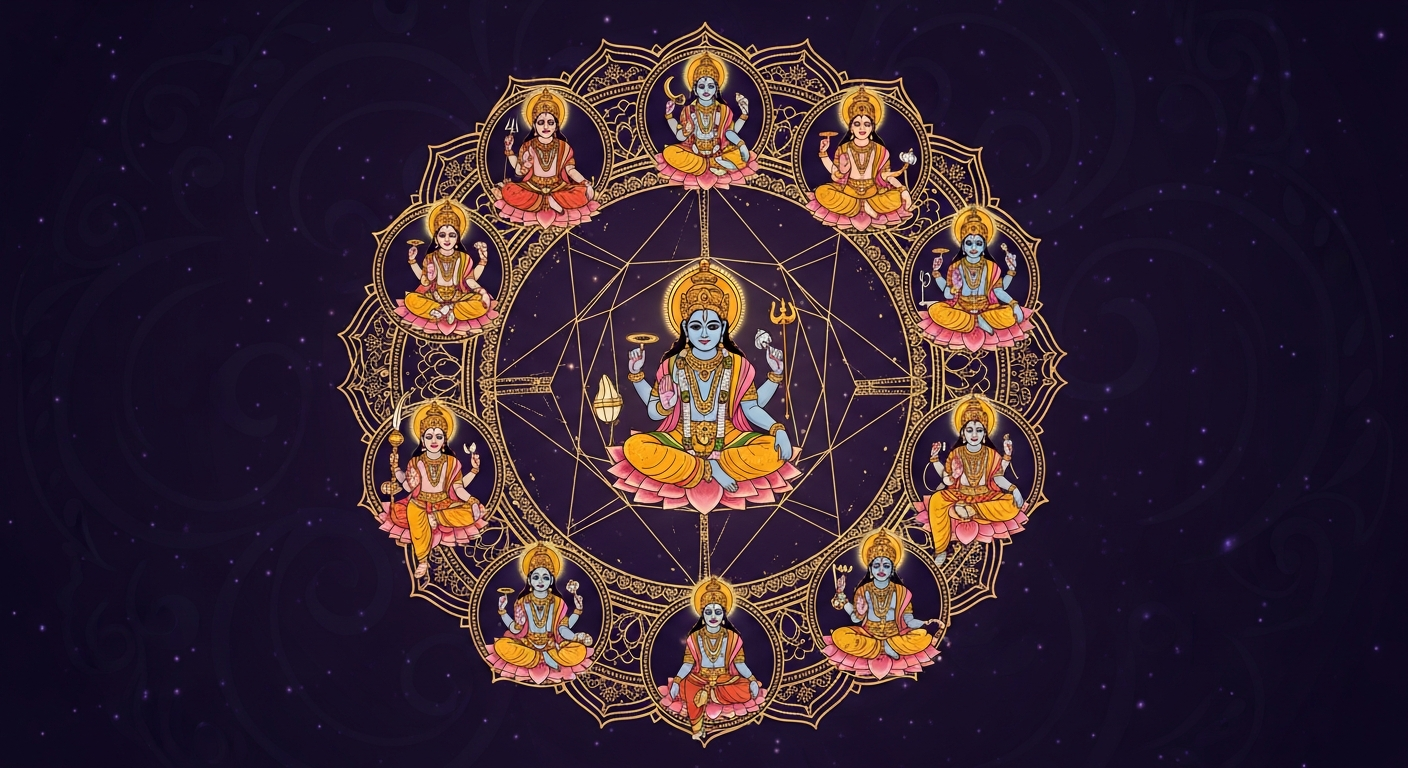 Beginner
Foundations of Vedic Astrology
Start your Jyotish journey — planets, signs, houses, and how a birth chart is built from the sky at your moment of birth.
 Beginner
Numerology Essentials
Decode the hidden language of numbers — life path, destiny, and name numbers and what they reveal about you.
 Intermediate
Reading Your Birth Chart
Go from chart structure to interpretation — ascendant, planetary placements, aspects, and the art of synthesis.
Astrology Reports

Fortune & Wealth Report
Understand your financial destiny through the wealth houses of your chart.

Baby Astrology Report
A loving first map of your child's chart — nature, talents, and auspicious names.

Varshphal — Annual Solar Return Report
Your personalised year-ahead forecast built on the Tajika solar-return chart.

Name Correction Report
Align the numerology and phonetics of your name with your birth chart.

Rahu Ketu Report
Decode the karmic axis of your chart and the path of your soul's growth.

Career & Profession Report
Find your true vocation through the tenth house and the strengths of your chart.

Yearly Horoscope 2026 Report
A complete 2026 forecast across career, money, love, health, and spirituality.

Sade Sati Report
Navigate Saturn's seven-and-a-half-year transit with clarity and remedies.

Love & Relationship Report
Understand your heart's pattern, compatibility, and the timing of love.
Adrusta Ratnam Remedies

sweetha sukra rathnam

Bruhat Yoga Swarna Ratnam & Lakshmi Ratnam

BruhatYoga Swarna Ratnam

Sweetha Sukra Ratnam

Lakshmi Ratnam

Mahat Ratnam
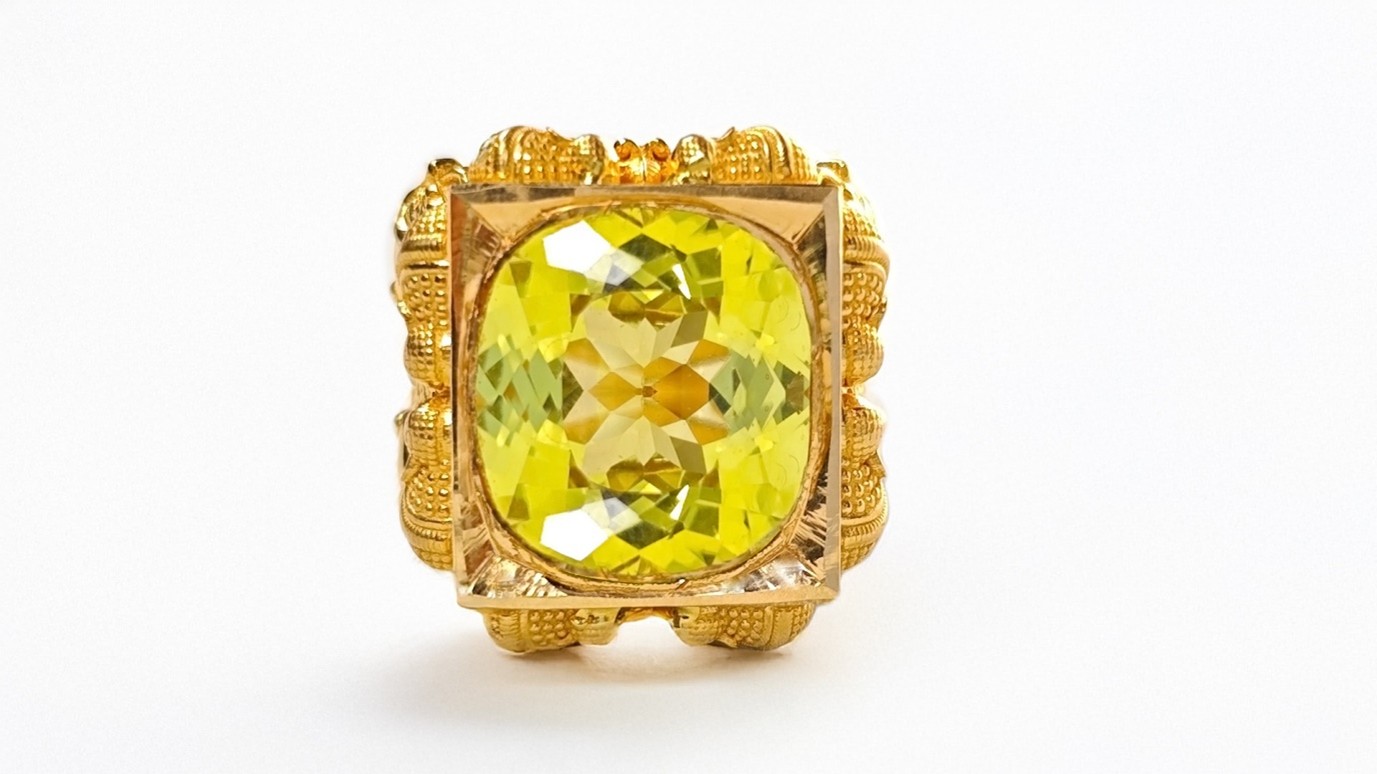 Rare
Mahat Ratnam (Gold Heavy Ring)

Sweetha Sukra Rathnam (Gold Heavy Ring)
Remedies & reports matched to your chart
We read your real Vedic birth chart, find your beneficial planets, then handpick ratnams, reports and guidance that strengthen them.
