
Brahma Muhurta: Best Time for Meditation & Its Benefits
Brahma Muhurta: Best Time for Meditation – When Is Brahma Muhurta?
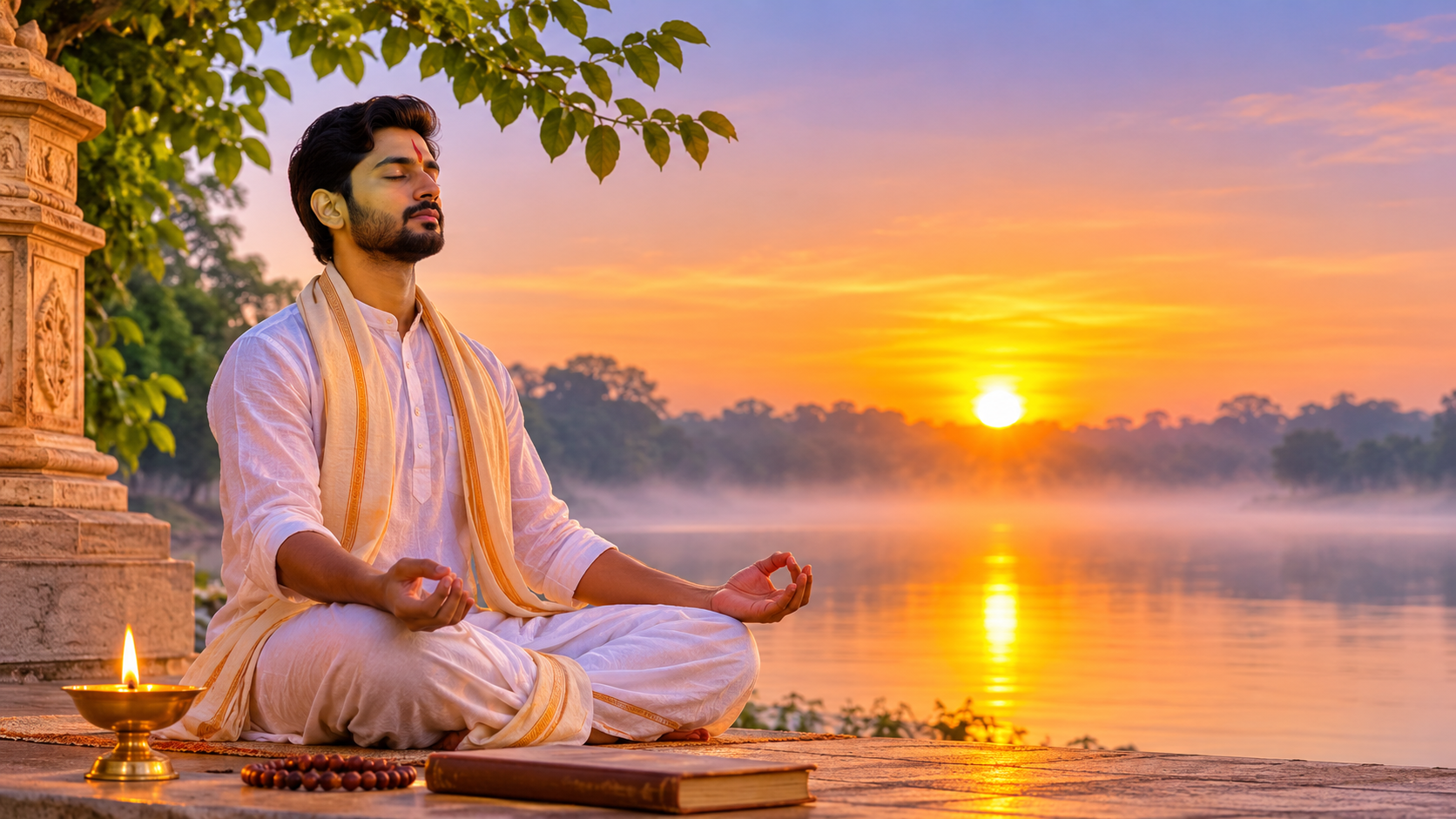
Have you ever woken up early in the morning and noticed how peaceful everything feels? The streets are quiet, the air is fresh, and your mind feels free from daily distractions. In Indian spiritual traditions, this special period before sunrise is known as Brahma Muhurta.
So, when is Brahma Muhurta? Traditionally, Brahma Muhurta begins approximately 1 hour and 36 minutes before local sunrise and lasts for 48 minutes. For example, if the sun rises at 6:00 AM, Brahma Muhurta is approximately from 4:24 AM to 5:12 AM.
In Vedic traditions, this time is considered especially suitable for meditation, yoga, prayer, chanting, and self-reflection. Understanding its timing can help you create a peaceful morning routine and bring more discipline into your daily life.
What Is Brahma Muhurta in Vedic Tradition?
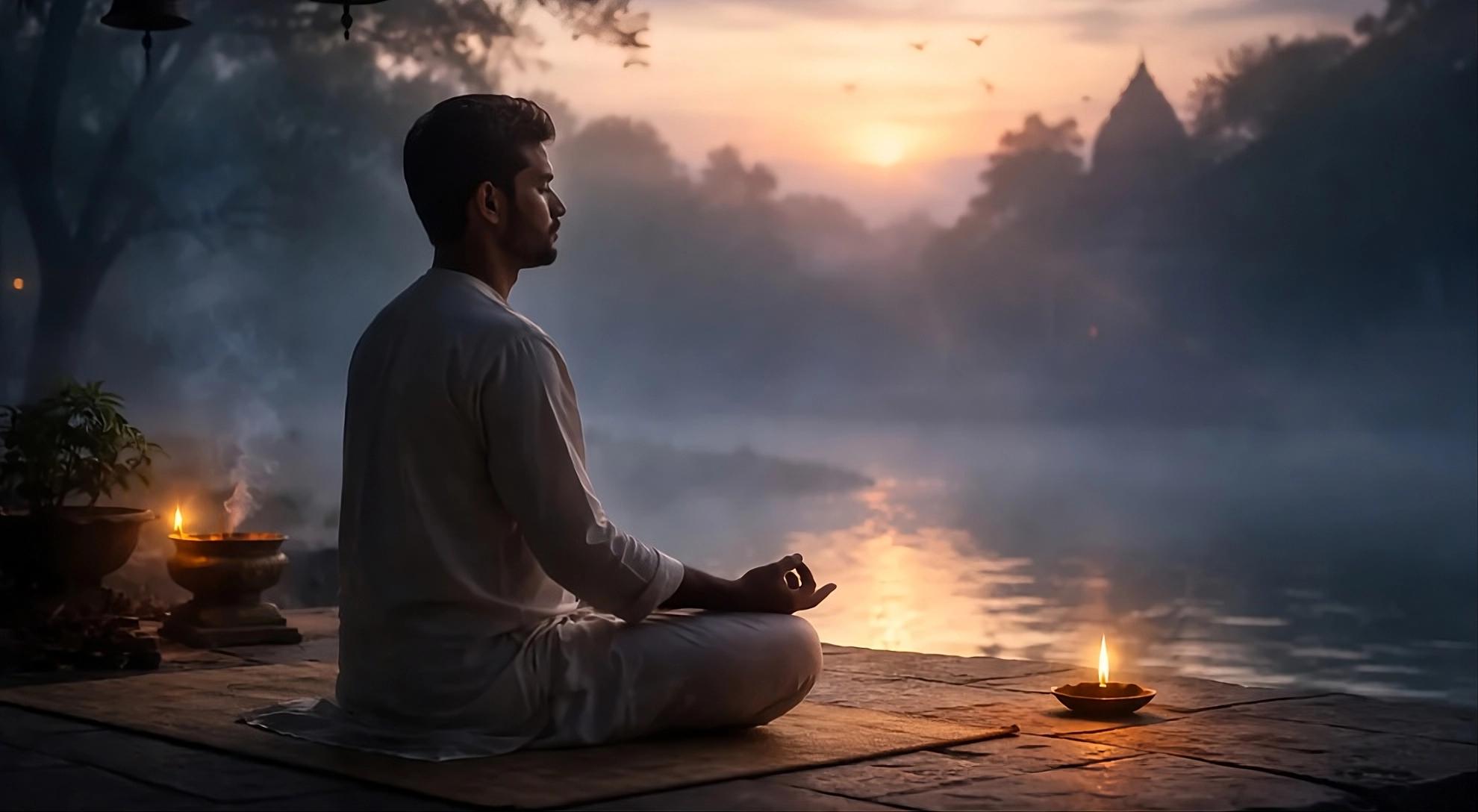
The word Brahma Muhurta comes from Sanskrit. Brahma refers to the divine or the creative principle, while Muhurta refers to a traditional unit of time.
In Indian spiritual traditions, Brahma Muhurta is regarded as a favourable period for spiritual activities and gaining knowledge.
According to traditional timekeeping, one Muhurta equals 48 minutes. A full day and night are divided into 30 Muhurtas.
Brahma Muhurta is the second Muhurta before sunrise. This makes it an important period for people who follow meditation, yoga, Ayurveda-inspired daily routines, and other spiritual practices.
Many people prefer this time because the surroundings are generally quieter, making it easier to focus without interruptions.
When Is Brahma Muhurta? Know the Exact Timing
Brahma Muhurta is not fixed at the same clock time every day. Its timing depends on your local sunrise.
According to the traditional calculation:
-
Brahma Muhurta begins 96 minutes before sunrise.
-
It lasts for 48 minutes.
-
It ends 48 minutes before sunrise.
For example:
|
Local Sunrise |
Brahma Muhurta Begins |
Brahma Muhurta Ends |
|---|---|---|
|
5:30 AM |
3:54 AM |
4:42 AM |
|
5:45 AM |
4:09 AM |
4:57 AM |
|
6:00 AM |
4:24 AM |
5:12 AM |
|
6:15 AM |
4:39 AM |
5:27 AM |
|
6:30 AM |
4:54 AM |
5:42 AM |
These are illustrative calculations. Actual sunrise times change with the date and geographical location.
Is Brahma Muhurta Always at 4 AM?
No. Many people believe Brahma Muhurta always happens at 4 AM, but this is not correct.
Its timing changes according to local sunrise. During different seasons, sunrise may happen earlier or later.
Therefore, it is better to calculate Brahma Muhurta using your local sunrise rather than following a fixed time from a general timetable.
How to Find Brahma Muhurta Time Today in My Location
If you want to know the Brahma Muhurta time in your location, first find the local sunrise time for your city and date.
You can calculate it yourself using these simple steps:
-
Check the sunrise time for your city using a reliable Panchang or sunrise calendar.
-
Subtract 1 hour and 36 minutes from the sunrise time.
-
Subtract another 48 minutes from the starting time to find the ending time.
-
The resulting 48-minute period is the commonly used Brahma Muhurta window.
Example: Suppose sunrise in your city is at 6:10 AM.
-
Starting time: 4:34 AM
-
Ending time: 5:22 AM
-
Duration: 48 minutes
You can also check the daily Panchang to understand sunrise, Tithi, Nakshatra, and other traditional time details.
One important point: Some traditional calculations divide the actual night into equal Muhurtas, while many modern Panchang services use the fixed 96-to-48-minute-before-sunrise method. This can create small differences in the displayed timings. Follow one consistent Panchang convention for your daily practice.
Why Is Brahma Muhurta Considered the Best Time for Meditation?
In Vedic tradition, Brahma Muhurta is associated with peace, knowledge, spiritual awareness, and self-discipline.
There are several reasons why people choose this period for meditation.
1. A Peaceful Environment
Early mornings are usually quieter than other parts of the day. There are fewer phone calls, household activities, and outside distractions.
This peaceful atmosphere can make it easier for beginners to sit quietly and concentrate.
2. Better Opportunity for Concentration
When you begin your day without immediately checking messages or thinking about work, you can give your attention to one activity.
Meditation during this period can become a meaningful way to develop focus and awareness.
3. A Suitable Time for Prayer and Mantra Chanting
Many Indian spiritual traditions recommend early morning prayer, mantra chanting, and Japa during Brahma Muhurta.
People may chant mantras dedicated to Lord Shiva, Lord Vishnu, Goddess Lakshmi, or their chosen deity according to their spiritual tradition.
4. Helps Develop Daily Discipline
Waking up at a regular time encourages a structured morning routine.
When you practise meditation consistently, you may find it easier to create a calm beginning to your day. However, the benefits depend on your sleep, lifestyle, and consistency rather than the clock time alone.
What Should You Do During Brahma Muhurta?
You do not need complicated rituals to make use of this period. Beginners can start with simple spiritual practices.
|
Practice |
Suggested Activity |
|---|---|
|
Meditation |
Sit quietly and observe your breathing |
|
Mantra Japa |
Chant a familiar mantra |
|
Yoga |
Practise gentle yoga or stretching |
|
Prayer |
Offer prayers to your chosen deity |
|
Reading |
Read a few verses from the Bhagavad Gita |
|
Self-reflection |
Think about your goals and intentions |
A Simple 30-Minute Brahma Muhurta Routine
If you are starting for the first time, try this simple routine:
-
First 5 minutes: Wake up, freshen up, and sit comfortably.
-
Next 10 minutes: Practise slow breathing and meditation.
-
Next 10 minutes: Chant your preferred mantra or offer prayers.
-
Last 5 minutes: Reflect on your thoughts and plan your day.
You can slowly increase your meditation time as you become comfortable.
Brahma Muhurta and Ayurveda: What Is the Traditional Connection?
Brahma Muhurta is also discussed in traditional Ayurveda, particularly in the context of Dinacharya, which means a daily lifestyle routine.
Classical Ayurvedic texts encourage suitable individuals to wake during this period as part of a disciplined lifestyle.
The traditional idea is that early rising supports a balanced daily routine and creates time for personal care, spiritual practice, and study.
However, waking extremely early does not automatically improve everyone's health. Sleep requirements differ between individuals. Children, older adults, people recovering from illness, and those with sleep difficulties may need different routines.
Do not sacrifice adequate sleep simply to wake up during Brahma Muhurta.
Common Mistakes People Make During Brahma Muhurta
Many beginners become interested in waking early but make a few mistakes.
1. Assuming Brahma Muhurta is always 4 AM: Its timing depends on local sunrise and the calculation method.
2. Sleeping too late: Waking early without sufficient sleep can cause tiredness and poor concentration.
3. Expecting instant spiritual experiences: Meditation is a gradual practice. Do not expect extraordinary experiences after a few sessions.
4. Using mobile phones immediately: Checking notifications can disturb the peaceful atmosphere you are trying to create.
5. Following the same timing throughout the year: Sunrise changes with the season, so check the timing regularly.
Is Brahma Muhurta Suitable for Everyone?
Brahma Muhurta is traditionally considered a favourable period for spiritual activities, but everyone does not need to follow the same waking schedule.
If your work involves night shifts, if you have irregular sleep, or if you are managing a health concern, maintain a healthy sleep routine first.
You can also meditate at another convenient time. Consistency and a comfortable environment are more important than forcing yourself to follow a schedule that does not suit your body.
Brahma Muhurta in Vedic Spiritual Practice
In Indian tradition, time is often considered meaningful for different activities. Panchang and Muhurta concepts help people understand these traditional time divisions.
Brahma Muhurta is especially connected with meditation, spiritual study, prayer, and self-reflection.
It is also important to understand that Brahma Muhurta is a traditional spiritual time, not a scientifically proven period in which meditation automatically produces greater results. A quiet environment, regular practice, and sufficient rest can all contribute to a positive meditation experience.
If you are interested in understanding other Vedic time calculations, explore the AstroTalks Adrustar Panchang.
Conclusion: When Is Brahma Muhurta and Why Should You Practise It?
So, when is Brahma Muhurta? According to the commonly followed traditional calculation, it begins 96 minutes before local sunrise and lasts for 48 minutes, ending 48 minutes before sunrise.
This peaceful early morning period is traditionally considered suitable for meditation, yoga, mantra chanting, prayer, and spiritual learning.
You do not need to make big changes overnight. Start with a few minutes of meditation, maintain a regular sleeping schedule, and gradually develop a morning routine that feels comfortable.
If you want to explore your spiritual path further, AstroTalks Adrustar offers access to Vedic astrology consultations and personalized guidance through chat, voice, and video.
You can connect with Guru Ji for guidance on traditional spiritual practices and Vedic remedies. For separate gemstone guidance, you can also enquire about Swetha Shukra Ratnam and Adrushta Ratnam. Their suitability and selection should be discussed with an astrologer rather than assuming that a gemstone is necessary for meditation or suitable for every individual.
Written by
Ramana Lal
Muhurta expert · Astrotalks Adrustar
Questions
Frequently Asked Questions
Related Articles
Birth Nakshatra Calculator – Find Your Birth Star Online Free
Read more
How to Know Your Nakshatra by Date of Birth | AstroTalks
Read more1616 Angel Number Meaning Spiritually: Career & Money
Read more
Lucky Gem stonefor Property: Best Gemstone for Real Estate
Read more
How Online Astrologer Chat Works: A Step-by-Step Guide
Read moreFeatured Videos
రియల్ ఎస్టేట్లో బిజినెస్ లు కూతురు విదేశాల అవకాశం జీవితం అద్భుతం
0 views
2 నెలల్లో నా ఉద్యోగం తిరిగి వచ్చింది, AP-TG జోనల్ Incharge పదవి ఇచ్చారు
2 views
 —
ఇంటర్వ్యూ లో విస్తుపోయే నిజాలు చెప్పిన గురువు గారు షాక్ లో ANCHOR
1 views
 —
300 కోట్ల రత్నం !అదృష్ట రత్నం ధరించిన యాంకర్ రోషన్ ఆయన మాటల్లోనే
10 views
 —
విదేశాల్లో వారు కచ్చితంగా అదృష్ట రత్నం పెట్టుకోవాలి 1, 16,000థిస్ శుక్ర శ్వేత రత్నం
1 views
 —
50కిలోల బంగారం దొరికింది అదృష్ట రత్నం ధరించిన కొద్ది రోజుల్లోనే
2 views
 —
ఒక చిన్న డీలర్ను కోటీశ్వరుడిని చేసిన 'అదృష్ట రత్నం' రహస్యం!
7 views
 —
😱 యాంకర్ ముందే చేతబడి తొలగించిన గురుజీ! షాక్లో యాంకర్!
6 views
 —
తాబేలు, అదృష్టమా దురదృష్టమా.|
4 views
 —
ADRUSTA RATNAM తో 100 కోట్లకు మార్గం, 4 కోట్ల ల్యాండ్ డీలింగ్, ఆరోగ్యం మంచిగా అయింది
5 views
Consult Astrologers

Pandit Vijay Shastri
- Vedic Astrology
- Muhurta
- Marriage
Languages:Hindi, Marathi, Sanskrit

Swami Narayana Das
- Spiritual Guidance
- Mantra
- Remedies
Languages:Sanskrit, Hindi, English

Pandit Ramesh Sharma
- Vedic Astrology
- Kundli Matching
- Career
Languages:Hindi, English

Pandit Deepak Tripathi
- Vedic Astrology
- Education
- Career
Languages:Hindi, English, Bhojpuri
Veda latha
- Vedic Astrology
Languages:Telugu
mmeghana
- Numerology
Languages:English
Dr Ramanalal Yogi
- Vedic Astrology
Languages:Hindi, English, Telugu
Rama nakshatra
- Numerology
Languages:Hindi, Telugu
Learn Astrology
 Intermediate
Reading Your Birth Chart
Go from chart structure to interpretation — ascendant, planetary placements, aspects, and the art of synthesis.
 Beginner
Foundations of Vedic Astrology
Start your Jyotish journey — planets, signs, houses, and how a birth chart is built from the sky at your moment of birth.
 Beginner
Numerology Essentials
Decode the hidden language of numbers — life path, destiny, and name numbers and what they reveal about you.
Astrology Reports

Varshphal — Annual Solar Return Report
Your personalised year-ahead forecast built on the Tajika solar-return chart.

Sade Sati Report
Navigate Saturn's seven-and-a-half-year transit with clarity and remedies.

Career & Profession Report
Find your true vocation through the tenth house and the strengths of your chart.

Yearly Horoscope 2026 Report
A complete 2026 forecast across career, money, love, health, and spirituality.

Fortune & Wealth Report
Understand your financial destiny through the wealth houses of your chart.

Name Correction Report
Align the numerology and phonetics of your name with your birth chart.

Baby Astrology Report
A loving first map of your child's chart — nature, talents, and auspicious names.

Rahu Ketu Report
Decode the karmic axis of your chart and the path of your soul's growth.

Love & Relationship Report
Understand your heart's pattern, compatibility, and the timing of love.
Adrusta Ratnam Remedies
SWETHA SUKHRA RATNAM SILVER PENDENT SIMPLE
SWETHA SUKHRA RATNAM SILVER PENDENT SIMPLE
SWETHA SUKHRA RATNAM SILVER PENDENT SIMPLE
SWETHA SUKHRA RATNAM SILVER PENDENT SIMPLE
SWETHA SUKHRA RATNAM SILVER PENDENT SIMPLE
SWETHA SUKHRA RATNAM SILVER PENDENT SIMPLE
SWETHA SUKHRA RATNAM SILVER PENDENT SIMPLE
SWETHA SUKHRA RATNAM SILVER PENDENT SIMPLE
SWETHA SUKHRA RATNAM SILVER PENDENT SIMPLE
SWETHA SUKHRA RATNAM SILVER PENDENT SIMPLE
Remedies & reports matched to your chart
We read your real Vedic birth chart, find your beneficial planets, then handpick ratnams, reports and guidance that strengthen them.